ISRO’s first 2026 PSLV mission suffers anomaly, all satellites onboard lost: report
A PSLV mission carrying the EOS-N1 (Anvesha) satellite and other payloads reportedly encountered an anomaly late in flight, resulting in the loss of all satellites onboard as ISRO analysed data and prepared findings.
- Reporting desk
- Health India Network News Desk
- First published
ISRO’s first mission of 2026, launched on the PSLV platform, encountered an anomaly that led to the loss of all satellites onboard, according to a report on the incident. The PSLV-C62 flight carried the primary payload EOS-N1 (also referred to as Anvesha), alongside multiple co-passenger satellites and a re-entry capsule, but the mission did not complete its intended orbital deployment after deviations were observed toward the end of the third stage and the subsequent phase did not perform as planned.
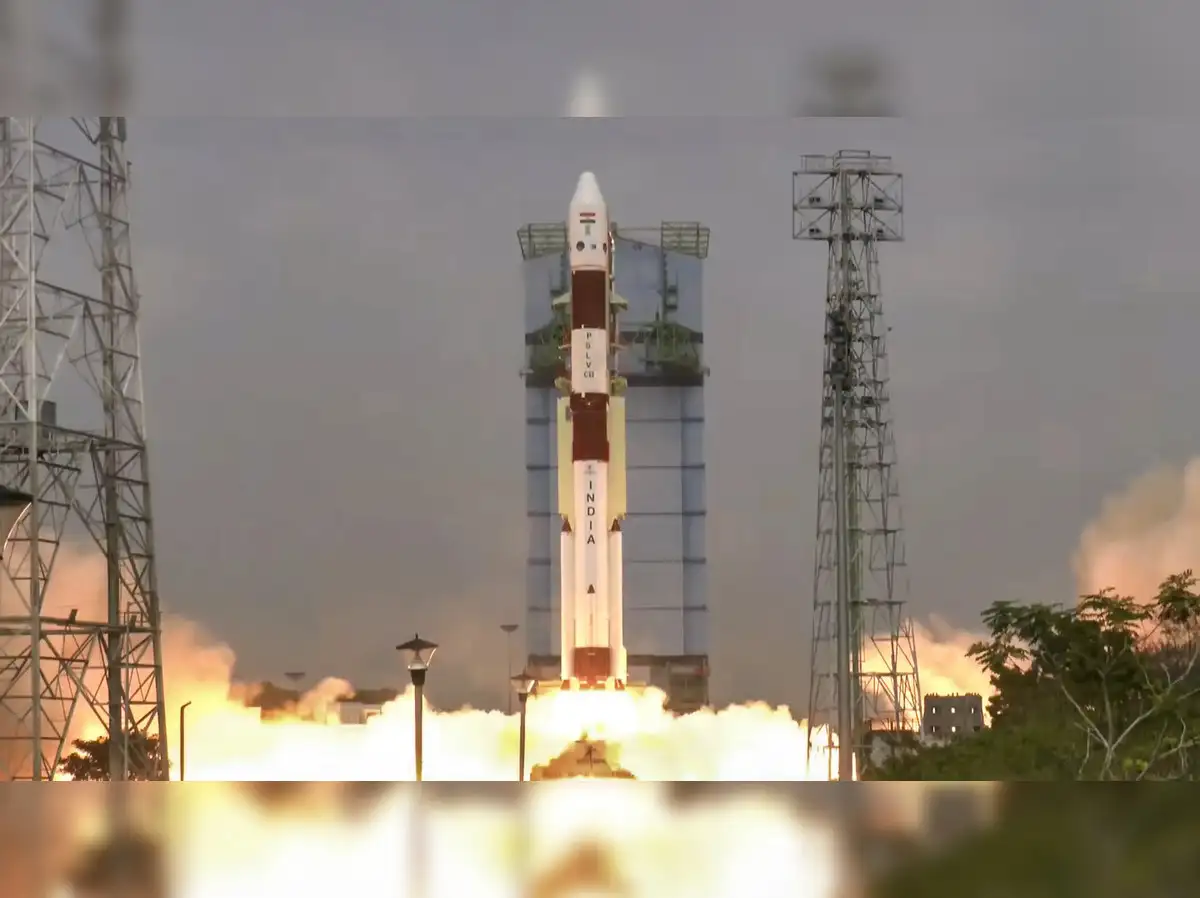
In post-launch remarks carried in the report, ISRO leadership indicated that the vehicle’s performance appeared nominal through most of the third stage before disturbances increased near the end and the flight path deviated. The organisation said it was analysing mission data and would share conclusions after the review process.
Why the setback matters for India’s space ecosystem
The PSLV has long been positioned as India’s workhorse launcher for Earth observation and small satellite missions, supporting both strategic payloads and commercial rideshares. A failure affects not only the primary mission objective but also the schedule and confidence of domestic startups and international customers that rely on predictable launch slots and testing timelines.
What the report highlights
- The anomaly was observed late in the mission sequence, after the third-stage phase when the next stage was expected to execute the planned insertion.
- All satellites onboard were reported lost, including the primary payload and co-passengers.
- ISRO said data was under analysis, with findings to be shared after technical evaluation.
For the broader space industry, such incidents typically lead to corrective-action cycles: a failure analysis, component-level checks, and procedural updates before the next launch is cleared. That process can compress future windows, create backlogs for payload integration, and push some customers to consider alternative launch providers if timelines slip.
At the same time, ISRO’s transparency around anomalies and the pace of corrective measures will be closely watched by both strategic stakeholders and commercial partners, given the growing role of satellite-based services across defence, agriculture, climate monitoring and communications.