ISRO’s 2026 roadmap: Gaganyaan push, new PSLV missions and a private-built PSLV milestone
ISRO has outlined a packed 2026 launch schedule featuring missions tied to Earth observation and strategic imaging, steps toward the Gaganyaan human spaceflight programme, and a landmark shift where a PSLV is to be manufactured fully by an Indian industry consortium.
- Reporting desk
- Health India Network News Desk
- First published
A busy 2026 for India’s space programme
ISRO has laid out an ambitious 2026 mission plan that combines national priorities—such as Earth observation and technology development—with a wider push to deepen industry participation in launch vehicle production. The roadmap, as described in reports, spans multiple launches across the year and includes notable milestones around the Gaganyaan programme and the Polar Satellite Launch Vehicle (PSLV) family.
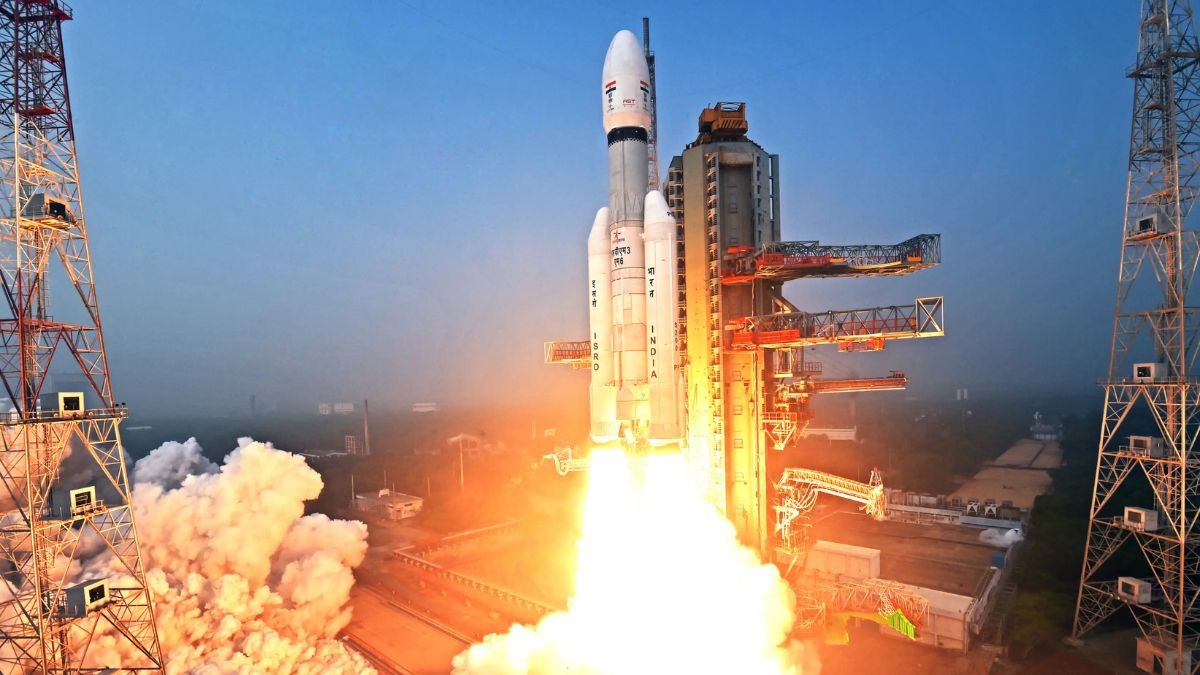
One of the early-year missions highlighted is a PSLV launch carrying the EOS-N1 satellite, described as a hyperspectral imaging payload that can capture rich wavelength data across each pixel—capabilities that can support applications including border surveillance and disaster management. The mission is also expected to ride-share smaller international satellites, underlining ISRO’s role in commercial launches.
Private manufacturing milestone for PSLV
A key shift in 2026 is the plan for a PSLV flight that will mark the first time a PSLV rocket has been entirely manufactured by an Indian industry consortium, with reports naming HAL and L&T as part of that grouping. This step is being watched closely as a signal of how India’s space ecosystem is evolving from a largely state-led model toward a more mixed production and execution framework.
The broader schedule also sits alongside the Gaganyaan programme’s continuing preparations, which ISRO leadership has repeatedly described as central to India’s human spaceflight ambitions. The programme’s progress is expected to be a major focus area through the year, with technology readiness and mission sequencing under scrutiny.
Why this matters for India
- More frequent launches improve data availability for governance, climate monitoring and disaster response.
- Industry-built rockets could reduce bottlenecks and scale India’s launch cadence over time.
- Gaganyaan developments signal long-term capability-building in human spaceflight and advanced systems.
If the schedule holds, 2026 could become a defining year for how India balances strategic missions, scientific payloads and a growing commercial ecosystem—while also testing how quickly private manufacturing can be integrated into a historically government-driven launch pipeline.