ISRO chief says Gaganyaan timeline not hit by PSLV-C62 anomaly; reiterates long-term space station plan
ISRO Chairman V. Narayanan said the Gaganyaan programme remains unaffected by the recent PSLV-C62 deviation, even as the agency analyses the flight data. He also reiterated India’s longer-term plans for a national space station, with work expected to begin in 2028 and a target of 2035 for establishment.
- Reporting desk
- Health India Network News Desk
- First published
ISRO Chairman Dr V. Narayanan has said the Gaganyaan human spaceflight programme remains unaffected by the significant deviation seen in the recently launched PSLV-C62 mission. Speaking at an awards ceremony in Coimbatore and later to reporters, Narayanan emphasised that multiple space projects are in progress, with Gaganyaan continuing as the primary focus.
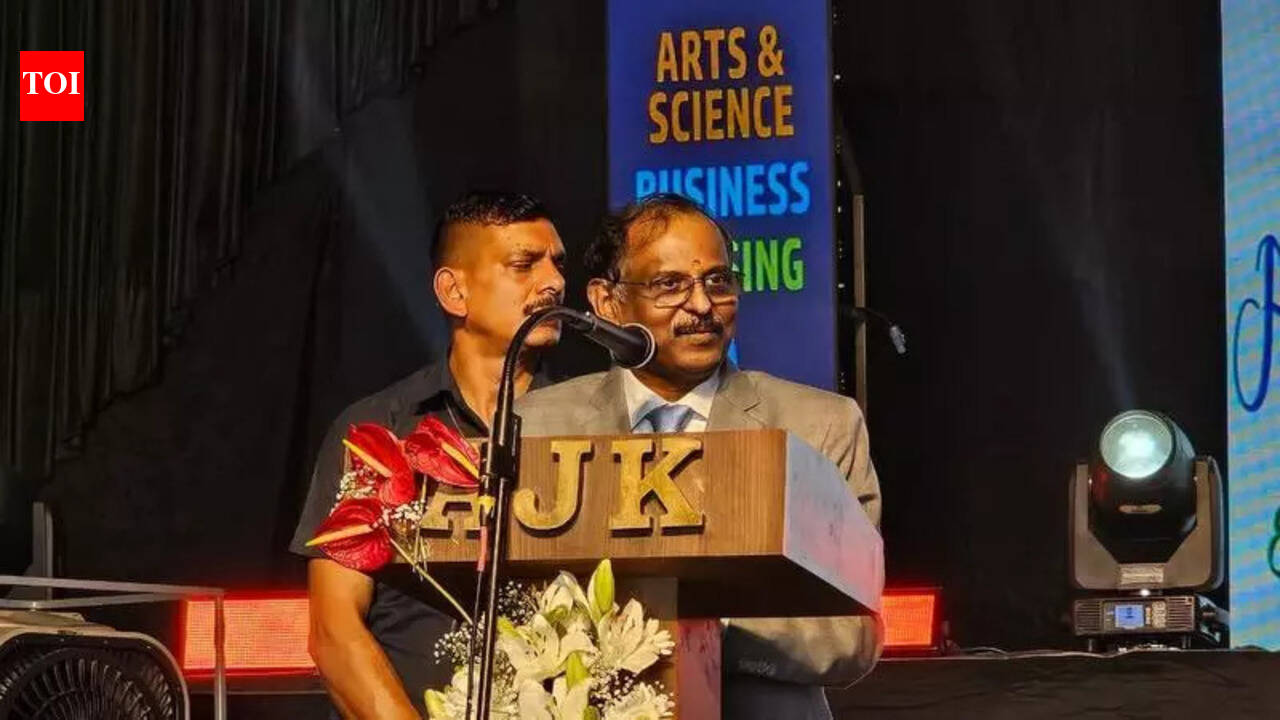
The statement comes as ISRO continues to analyse what went wrong in the PSLV-C62 flight. While the agency has not publicly concluded its technical assessment in this specific report, Narayanan’s remarks were aimed at reassuring stakeholders that the nation’s headline human spaceflight effort is proceeding on its planned track.
During his address, Narayanan also highlighted broader milestones and capability claims—pointing to India’s achievements in lunar exploration, advances in imaging, and the country’s ability to carry substantial payloads. Such messaging typically serves a dual role: celebrating scientific progress while also reinforcing confidence in India’s end-to-end space capability.
Looking ahead, the ISRO chief reiterated a longer-term roadmap for a dedicated national space station. He said work on this initiative is expected to begin in 2028, with a target of establishing the space station by 2035—an ambition that would require sustained launches, technology maturation and coordination across multiple programme streams.
For India’s space programme, near-term execution and long-term planning are now running in parallel: on one side are launch campaigns and mission integration cycles, and on the other are bigger, multi-decade projects such as human spaceflight and a national orbital station. Public reassurance about schedules is therefore closely watched by industry partners and the wider ecosystem.
While setbacks in complex launch systems are not unusual globally, ISRO’s public updates on the impact of anomalies—especially on marquee programmes like Gaganyaan—help shape expectations and maintain transparency about what is being prioritised and how risks are being managed.