Google launches Market Access Programme to help Indian AI startups scale for enterprise adoption
Google India has launched a new programme aimed at helping Indian AI startups reach enterprise customers and expand into global markets. The initiative is positioned as part of a shift from AI prototypes to mature products and sustainable businesses.
- Reporting desk
- Health India Network News Desk
- First published
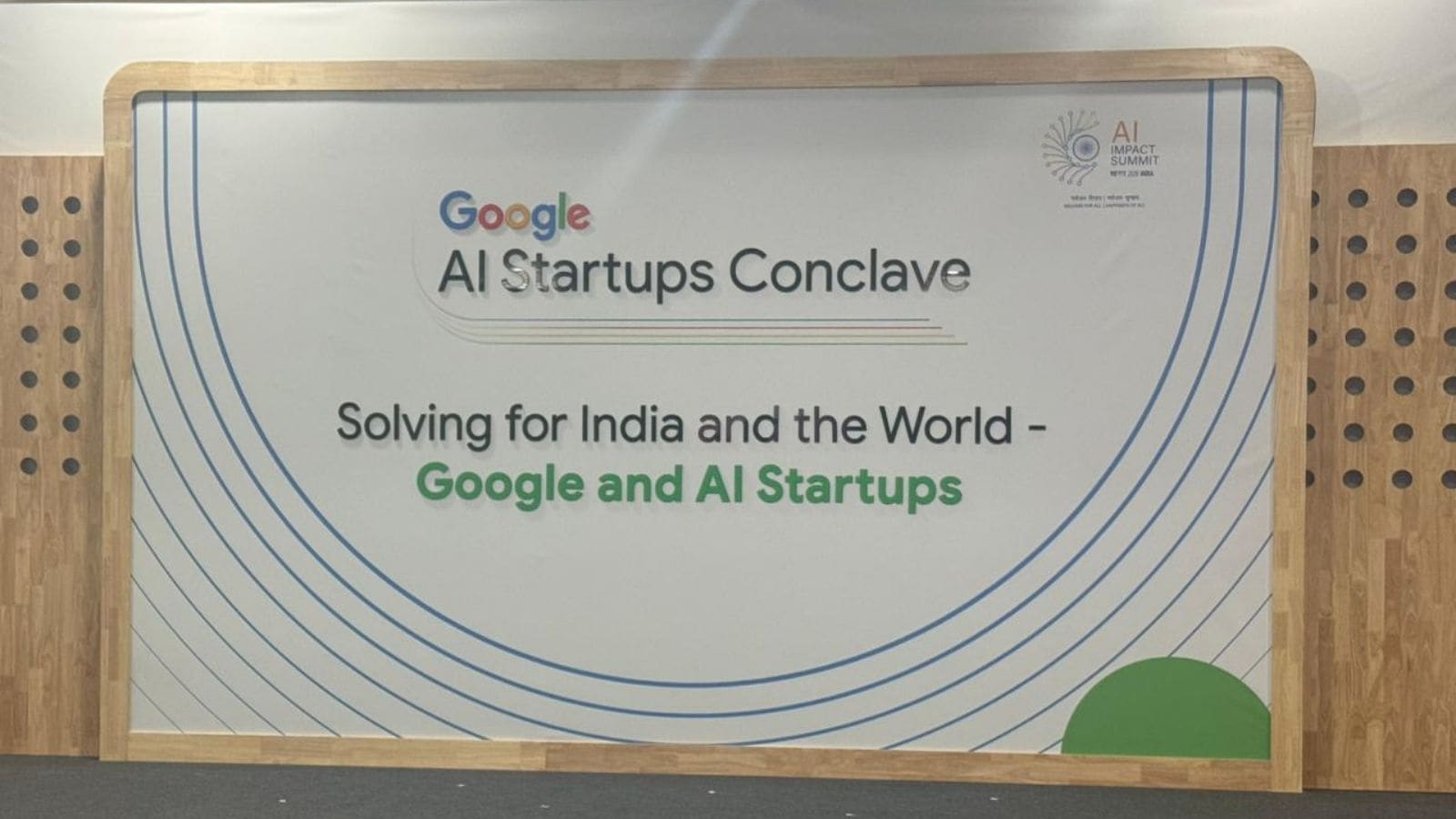
New programme announced at AI Startups Conclave
Google India has launched the ‘Google Market Access Programme’ to help Indian AI startups scale their products for enterprise adoption, according to a report updated on January 15, 2026. The initiative aims to connect startups with distribution channels and opportunities in key international markets while supporting them as they move from pilots to production-grade offerings.
The programme, as described in the report, is designed to address a common bottleneck for young AI companies: building credible go-to-market strategies for large organisations, demonstrating reliability, ensuring compliance and integrating with existing workflows. While many startups can build demos quickly, enterprise adoption often requires a different level of product maturity.
Access to models and ecosystem support
Startups selected for the programme are expected to gain access to Google’s AI models, including Gemini for complex reasoning and the Gemma family for open research use cases, according to the report. The broader pitch is to enable startups to iterate faster and build competitive AI features without having to recreate every layer of the stack.
For Indian founders, model access is only one part of the challenge. Enterprise buyers look for strong privacy controls, audit trails, predictable performance, clear pricing and support commitments. Market-access initiatives can shorten the time it takes to find early lighthouse customers and gather references that unlock further growth.
What it signals about India’s AI phase
The report framed this moment as a shift in India’s AI startup story—from prototypes to products and from early traction to sustainable businesses. That transition typically pushes companies to focus more on data quality, evaluation, safety testing, and clear business outcomes rather than only model novelty.
With Indian enterprises increasingly exploring generative AI use cases—from customer support and knowledge management to risk analytics and developer productivity—programmes that bridge startups to enterprise adoption may determine which teams scale quickly in 2026.