Gaganyaan unaffected by recent PSLV anomaly, says ISRO chief; outlines space station timeline
ISRO chairman V. Narayanan said the Gaganyaan programme remains on track despite a deviation reported during the recent PSLV mission, stressing that human spaceflight preparations are proceeding. He also spoke about long-term plans, including work on an Indian space station beginning later this decade and an extended roadmap of launches.
- Reporting desk
- Health India Network News Desk
- First published
ISRO reassures on Gaganyaan after a PSLV issue
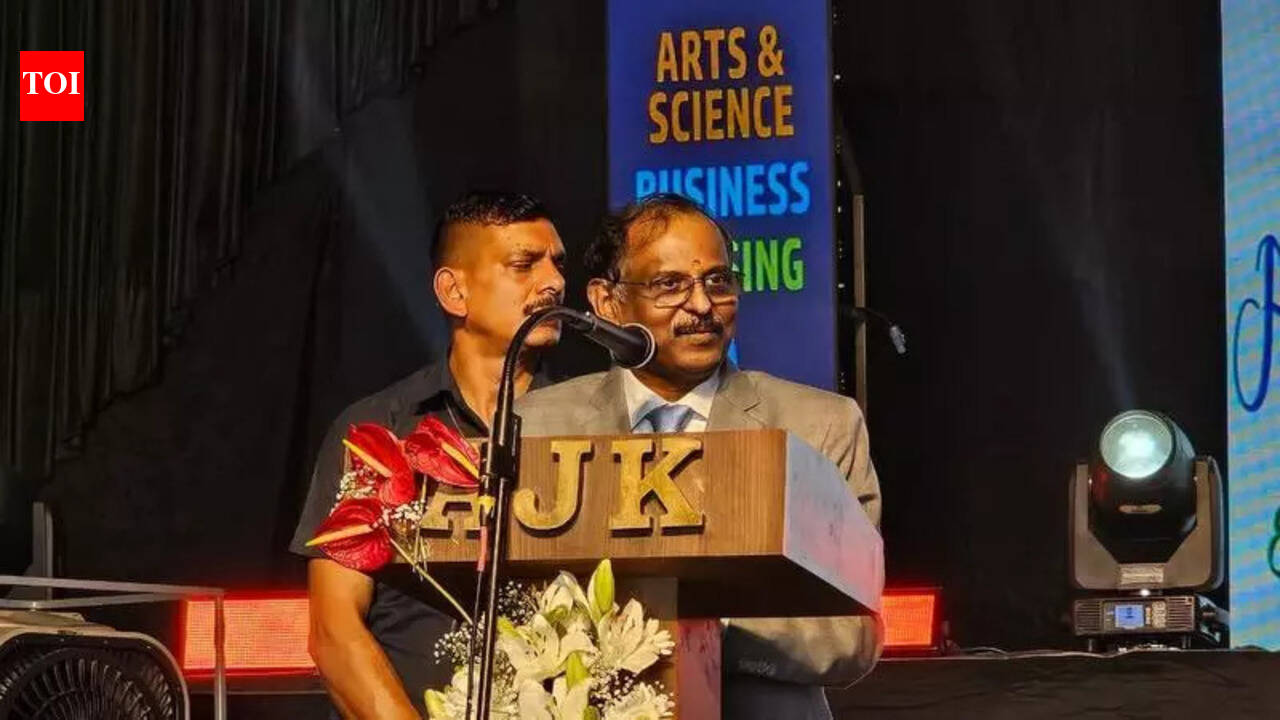
ISRO chairman Dr V. Narayanan said the Gaganyaan human spaceflight programme remains unaffected by a recent PSLV mission deviation, seeking to reassure observers after questions were raised about the incident. Speaking at an event in Coimbatore, he emphasised that India’s human spaceflight roadmap is continuing with preparations and parallel missions moving forward.
While launch vehicles can face anomalies that require technical review, ISRO’s messaging on Sunday focused on distinguishing an investigation into a specific mission event from the broader readiness of the Gaganyaan stack, which includes spacecraft systems, crew safety protocols, abort mechanisms and mission operations planning.
Space station roadmap and longer-term ambitions
Narayanan also indicated that India’s ambitions extend beyond Gaganyaan. He said work related to a national space station is planned to begin in 2028, with a completion target around 2035, outlining a longer timeline that would require sustained funding, technology development and launch cadence.
The combination of an active launch schedule, a human spaceflight mission and an eventual station plan suggests ISRO is positioning itself for a multi-decade expansion—where commercial launches, national security payloads, Earth observation needs and deep-space science missions have to coexist with a human spaceflight programme that demands high reliability.
What happens next
The technical review of the PSLV mission event is expected to continue, and ISRO’s findings will be closely watched because small failures can translate into major risk in human-rated contexts. At the same time, Gaganyaan progress will be measured by system qualification milestones, uncrewed test flights and successful demonstrations of key subsystems.
For India’s space ecosystem, the message is twofold: immediate transparency on anomalies, and long-horizon continuity on human spaceflight and station plans.