Ahead of Union Budget 2026-27, health leaders push for higher public spending and stronger rural care
Healthcare leaders have urged the government to raise public health spending in the Union Budget 2026-27, arguing India remains below the National Health Policy target and faces a growing dual burden of communicable and non-communicable diseases. The sector wants sharper focus on underserved regions and system capacity.
- Reporting desk
- Health India Network News Desk
- First published
- Last reviewed
With the Union Budget 2026-27 approaching, healthcare leaders and industry bodies have urged the government to increase public spending on health and prioritise system-strengthening across rural and underserved areas. The call comes amid growing pressure on hospitals and primary care from a dual disease burden, rising demand for specialty services and the need for stronger preventive and long-term care.
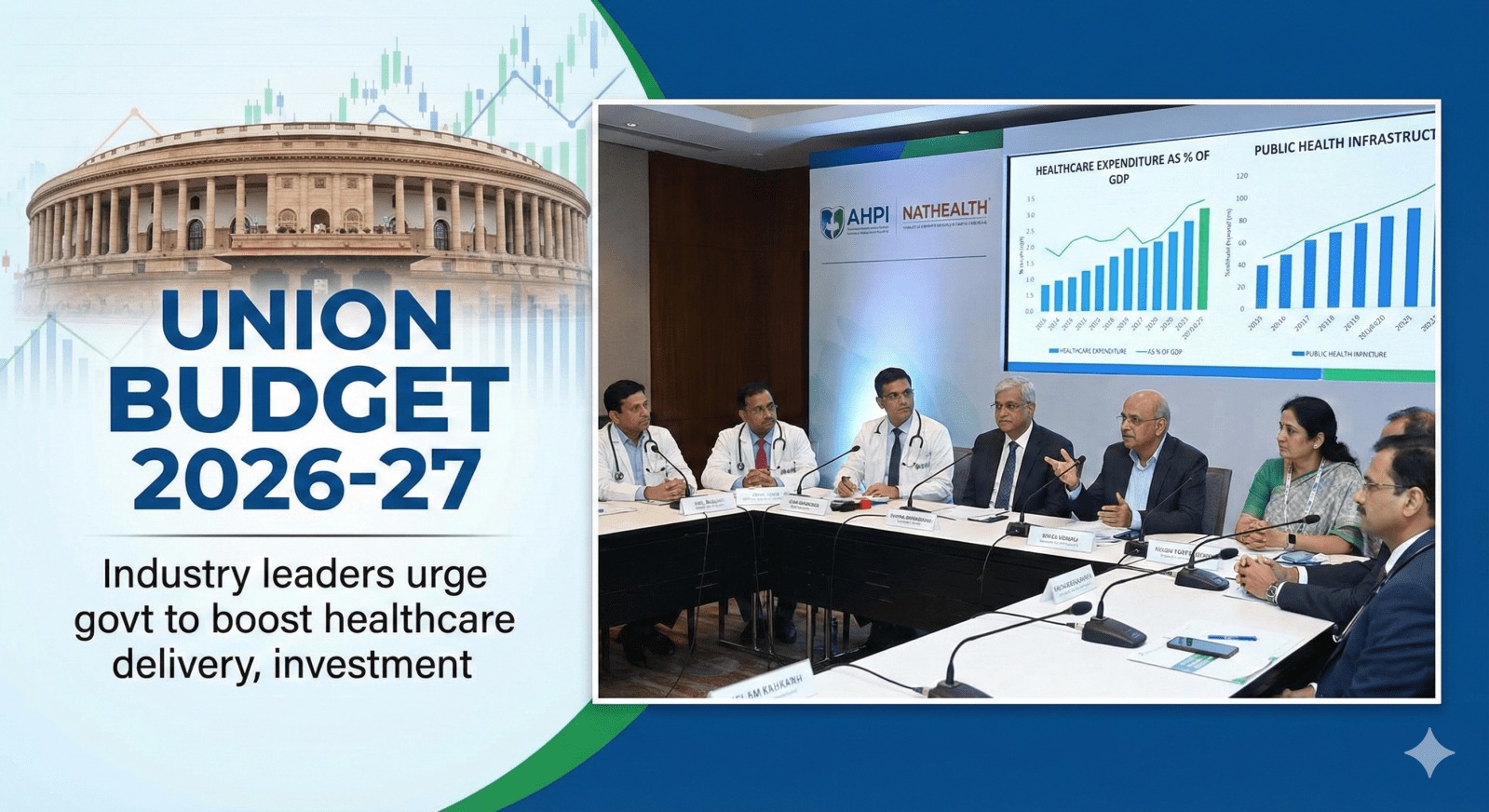
Industry representatives argued that India’s public health expenditure remains below the National Health Policy’s stated ambition of 2.5% of GDP, and that gaps in financing continue to show up in uneven access, workforce constraints and delayed infrastructure upgrades. They also stressed that stronger public systems reduce out-of-pocket spending and improve resilience during outbreaks, disasters and seasonal surges.
What the sector is asking for in Budget 2026-27
Healthcare voices have highlighted the need for targeted investment in district hospitals, primary health centres and referral networks, especially in semi-urban and rural geographies where capacity and specialist availability often lag. They also want sustained funding for preventive health, screening and chronic-disease management, as non-communicable diseases continue to rise alongside persistent infectious disease threats.
Another focus area is care delivery modernisation: digitised records, telemedicine expansion, better diagnostics at the primary level and stronger supply chains for medicines and essential equipment. Advocates say these upgrades make routine care cheaper and faster while improving the system’s ability to detect and contain outbreaks earlier.
Why public spending debates matter now
Budget decisions on health funding shape what states can implement at scale, from staffing and facility upgrades to preventive programmes. Stakeholders argue that without higher and more predictable public investment, the gap between demand and capacity will widen — and households will continue to bear a heavy financial burden for care.
- Higher public health allocations toward the National Health Policy target
- Strengthening rural, semi-urban and underserved delivery systems
- More emphasis on prevention and chronic disease management
- Investment in diagnostics, digital health and telemedicine-enabled access
Sources and reporting record
- E-01NDTVNDTV