Ahead of Budget 2026-27, study urges higher public health spending as costs rise and access gaps widen
An academic study released ahead of the Union Budget 2026-27 calls for a sharper increase in India’s public healthcare expenditure, warning that shifting economic and social conditions are pushing medical costs up and deepening inequality in access. The research analyses long-term national data and argues that stronger public investment is essential to make care more affordable and equitable.
- Reporting desk
- Health India Network News Desk
- First published
Why the spending debate is back before Budget season
With the Union Budget 2026-27 approaching, a new academic study has renewed the push for higher public healthcare expenditure in India. The research argues that as the economy and society change, healthcare costs tend to climb and the burden can fall unevenly—especially on households that pay directly for treatment and medicines.
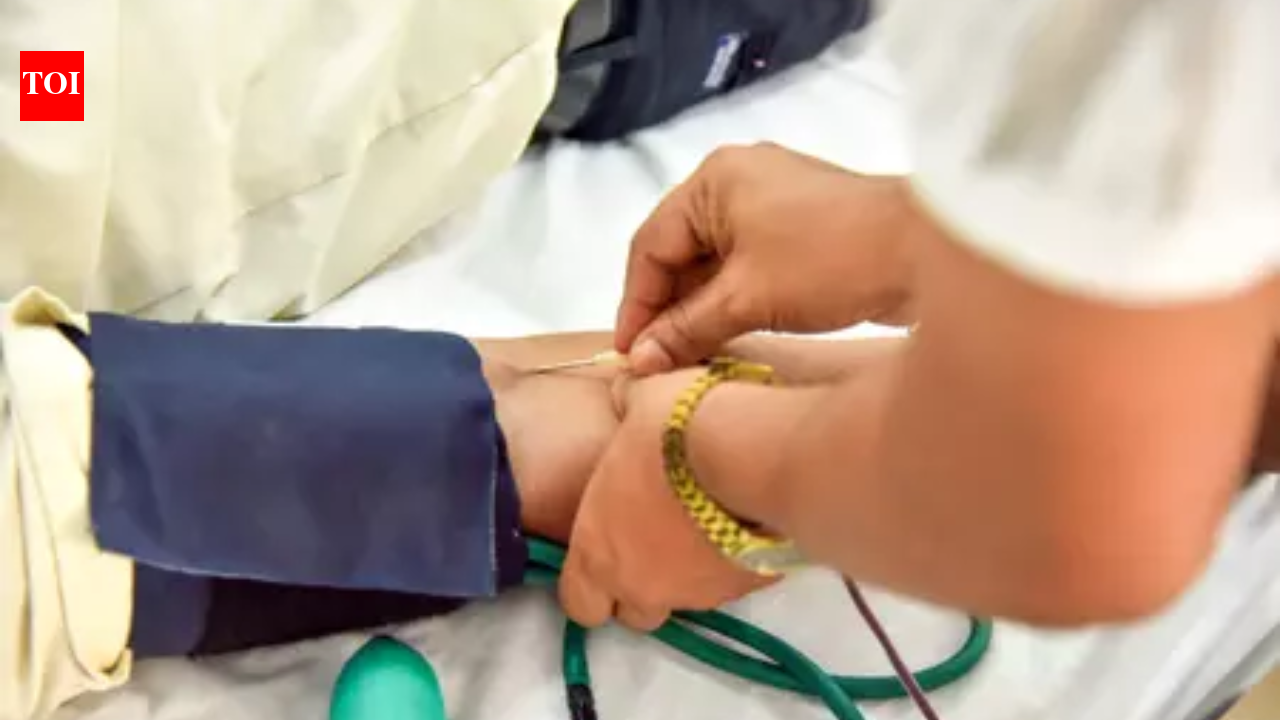
In practical terms, this becomes visible when families delay procedures, skip diagnostics, or take on debt for hospitalisation—patterns that widen health outcomes between income groups. The study’s central message is that public spending can act as a stabiliser, helping reduce the dependence on out-of-pocket payments and improving access to services across regions.
What the study examined
The paper reviewed long-term national data over multiple decades and analysed how different drivers influence healthcare expenditure trends. It looked at overall spending patterns as well as household out-of-pocket costs, and examined relationships with factors such as income, education, urbanisation, inflation and life expectancy.
The analysis suggests that healthcare spending cannot be treated as a simple function of population size alone; it changes with demography, lifestyle diseases, urban living, price pressures and evolving expectations of care. That’s why, the authors argue, public budgets need to keep pace with the real-world cost curve rather than only with headline growth rates.
What higher public investment could target
Policy discussions around higher health spending typically focus on three areas: (1) strengthening primary care and preventive services, which can reduce costly late-stage treatment; (2) improving public hospital capacity, staffing and diagnostics so that fewer patients are forced into expensive private options; and (3) expanding financial protection—through insurance design, price caps and procurement reforms—so catastrophic health expenses become less common.
Industry voices also use the pre-budget window to seek clarity on taxes, duties and coverage models for newer therapies and advanced treatments, but the study’s broader thrust is about equity: ensuring more Indians can access timely care without being priced out.