One year after Pune’s GBS outbreak, civic fixes and hospital readiness still seen as incomplete
A year after a major Guillain-Barré Syndrome (GBS) outbreak in Pune—where investigations pointed to contaminated water—reports say the Pune Municipal Corporation still lacks key upgrades such as a dedicated water treatment solution for affected areas. Hospitals and civic systems have improved in parts, but preparedness gaps remain, including surveillance, ICU capacity and access to critical drugs.
- Reporting desk
- Health India Network News Desk
- First published
A year after Pune faced a major Guillain-Barré Syndrome (GBS) outbreak that was linked by investigations to contaminated water, a fresh report has raised concerns that civic and hospital preparedness still has notable gaps. The Pune Municipal Corporation (PMC) is described as having made only partial progress on water safety measures and broader health-system readiness in the areas affected during the crisis.
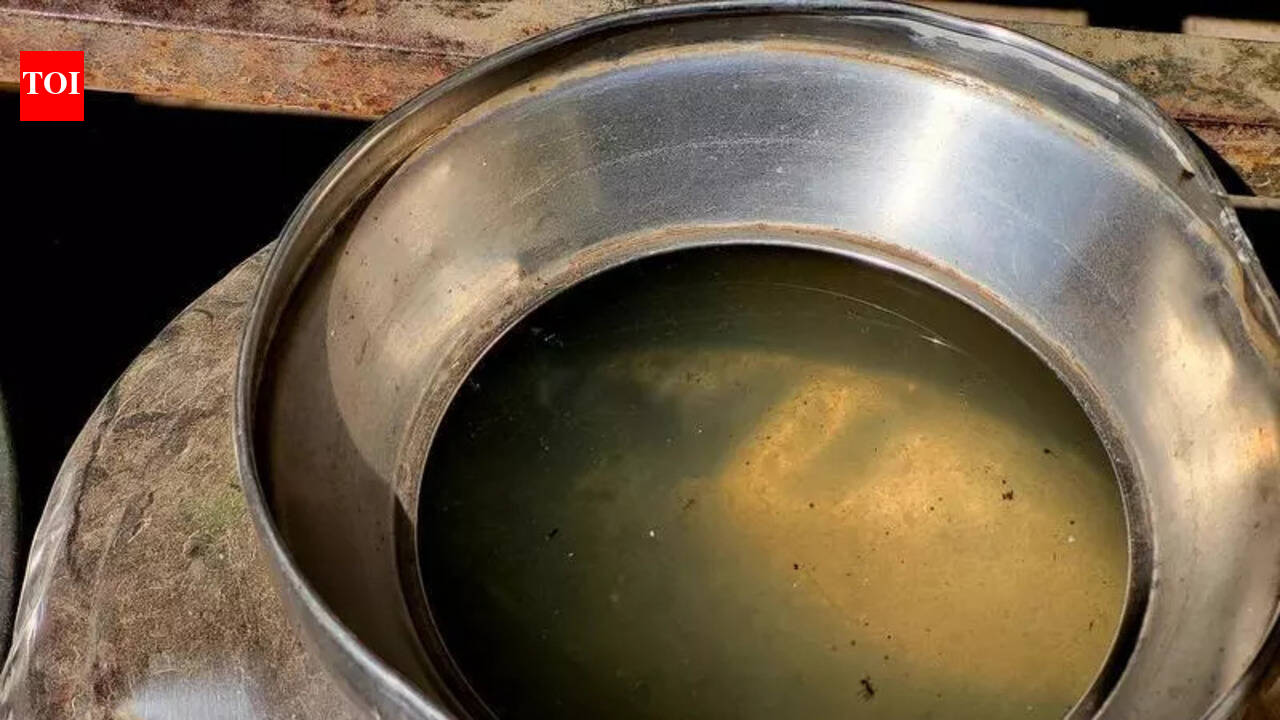
The report says a dedicated water treatment plant for the impacted localities has not yet been set up, with delays linked to administrative and land-related clearances. While automation of chlorination has been rolled out at water treatment plants and routine sampling is conducted, gaps remain in comprehensive monitoring—such as testing water supplied by RO vendors—an area that has been flagged for improvement.
Surveillance and hospital capacity: lessons still in progress
On the health-system side, the earlier outbreak exposed how sudden spikes in severe neurological cases can strain hospitals. The report notes that issues such as ICU bed constraints, delays in diagnostics and shortages of intravenous immunoglobulin (IVIG) were part of the stress points during the crisis, and that experts continue to argue for better planning and stockpiling of rare but essential drugs.
Civic officials said steps are underway to strengthen disease reporting by onboarding more private hospitals and building additional surveillance capability, including a Metropolitan Surveillance Unit. The stated goal is to identify abnormal patterns in communicable diseases earlier and act faster when water-borne or vector-borne illness indicators rise in any locality.
Why this matters beyond Pune
GBS outbreaks are rare, but the Pune episode showed how water safety, sanitation infrastructure and clinical preparedness intersect in high-impact ways. Even when the triggering source is outside the hospital, the burden of critical care, diagnostics and drug availability lands on health facilities quickly.
The report also highlights a broader public-health lesson: post-outbreak periods are when long-term fixes should move fastest. With citizens still wary of recurrence, the demand is for visible progress on water quality assurance, sewage pipeline upkeep, faster reporting systems and clearer emergency readiness plans across both public and private care providers.