No surge in HMPV cases in India, Centre tells states; surveillance for respiratory illness to be intensified
The Union Health Ministry has said there is no surge in HMPV cases in India, while urging states to step up surveillance for SARI and ILI and increase public awareness on preventing respiratory infections.
- Reporting desk
- Health India Network News Desk
- First published
Centre’s message: monitor closely, don’t panic
The Union Health Ministry has said there is no surge in human metapneumovirus (HMPV) cases in India and advised states and Union Territories to intensify monitoring for respiratory illness, according to a report by The New Indian Express dated 7 January 2025. The review and advisory were issued amid wider attention to HMPV activity internationally and online public anxiety about whether it could mirror past outbreak dynamics.
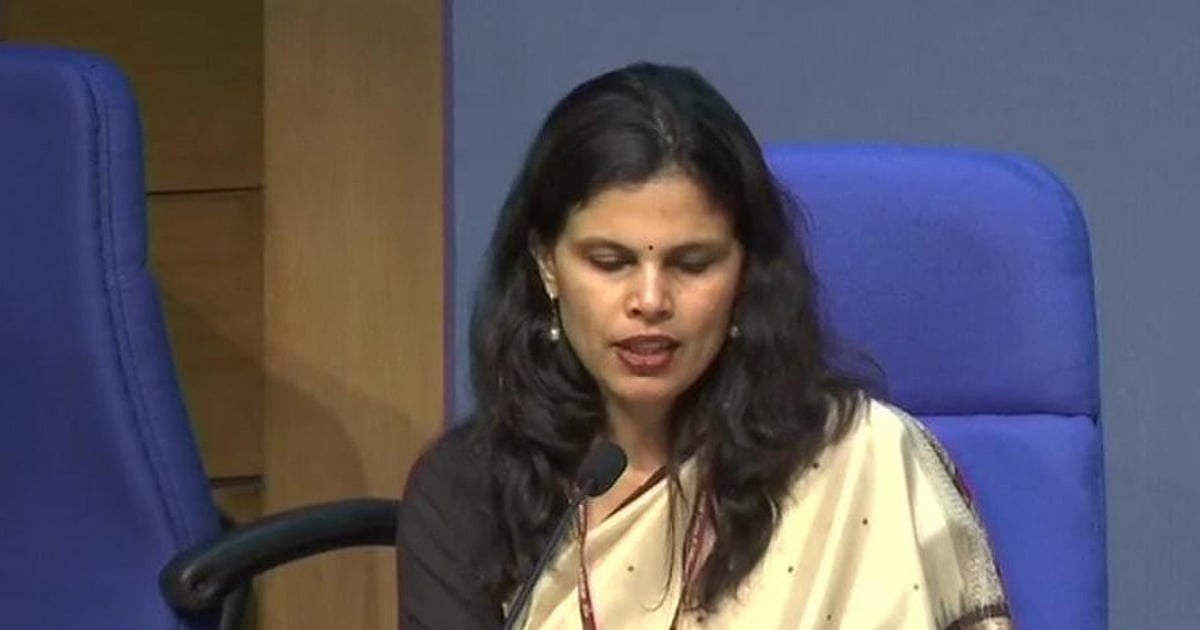
The report said the Union Health Secretary chaired a review meeting with states and UTs and directed enhanced surveillance for Severe Acute Respiratory Illness (SARI) and Influenza-Like Illness (ILI), aiming to identify any unusual rise in respiratory disease trends early and respond quickly if needed.
What states were asked to do
States were advised to strengthen surveillance, expand information and awareness efforts, and reinforce prevention guidance for the public. The recommendations included practical measures that reduce transmission risk for respiratory viruses: frequent handwashing, avoiding touching the face with unwashed hands, limiting close contact with symptomatic individuals, and covering the mouth and nose while coughing or sneezing.
The New Indian Express report also emphasised that HMPV has been present globally for decades and that winter months often see a seasonal increase in respiratory infections, a context used to reassure the public while still justifying preparedness steps.
Preparedness as a routine health response
The health guidance reflects an approach that treats HMPV as part of the broader respiratory illness landscape rather than a new, unknown threat. By focusing on sentinel surveillance, timely testing and public communication, authorities aim to detect clusters early and minimise unnecessary alarm while keeping health systems ready for seasonal spikes.
For the public, the key takeaway remains straightforward: there is no official indication of a surge, but routine precautions and early reporting of severe symptoms help reduce spread and support timely care for those at higher risk.