A year after Pune’s Guillain-Barré syndrome outbreak, civic body still short on water-safety fixes and hospital readiness, report says
A year after Pune’s Guillain-Barré syndrome (GBS) outbreak—where investigations pointed to contaminated water as a likely cause—gaps remain in water safety and healthcare preparedness, according to a report. The Pune Municipal Corporation has not set up a dedicated water treatment plant in affected areas, and hospitals are still grappling with structural issues highlighted during the crisis.
- Reporting desk
- Health India Network News Desk
- First published
A year after Pune faced a major Guillain-Barré syndrome (GBS) outbreak, systemic shortcomings in water safety and hospital preparedness remain unresolved, a report published on 26 January 2026 said. Investigations had pointed to contaminated water as a likely trigger for the outbreak, yet key infrastructure upgrades in affected areas are still incomplete.
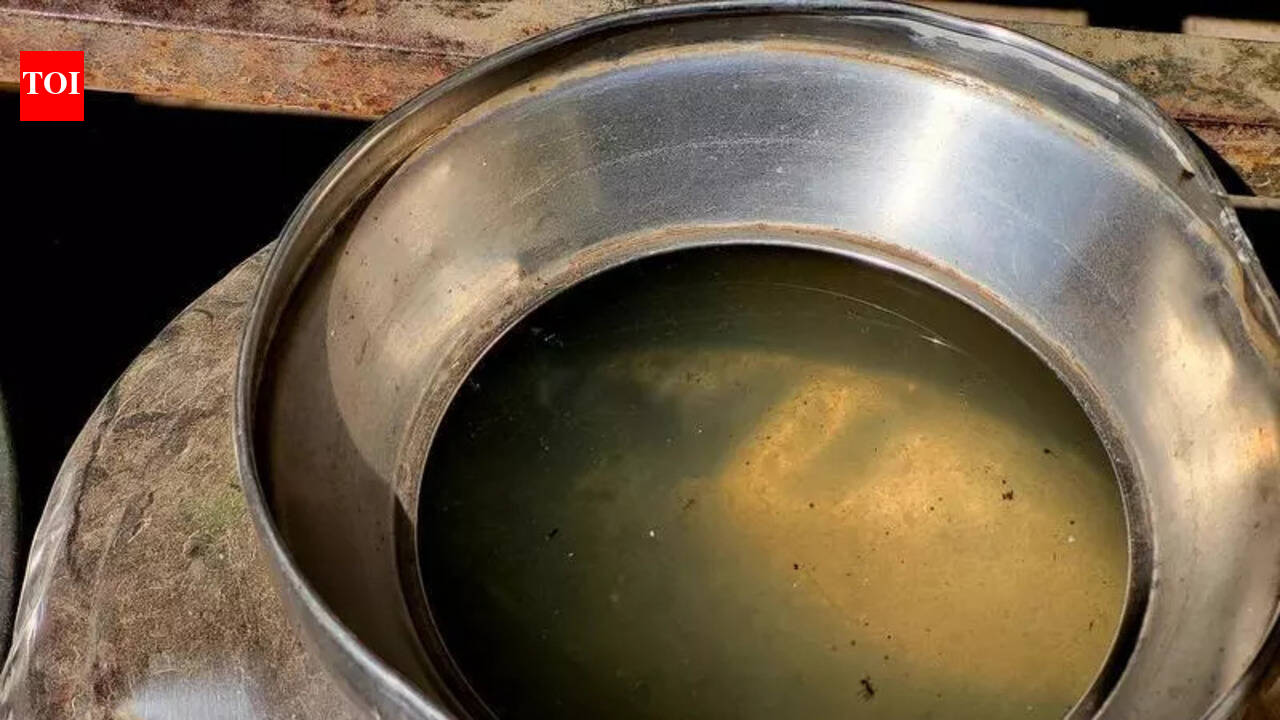
The report said the Pune Municipal Corporation (PMC) has not established a dedicated water treatment plant in the impacted zones, citing procedural delays such as land clearance. While the civic body has implemented chlorination automation across water treatment plants and conducts random sampling tested at a laboratory, officials acknowledged that water from RO suppliers is not currently being tested by the PMC.
Surveillance and infrastructure: progress, but not enough
PMC officials indicated additional measures were being planned, including third-party testing through accredited laboratories and coordination to replace older sewage pipelines—steps aimed at reducing water-borne risk. The report also described efforts to strengthen disease reporting by onboarding more private hospitals, particularly to flag unusual spikes in communicable diseases, and highlighted an upcoming Metropolitan Surveillance Unit intended to improve monitoring.
However, the article’s central warning is that partial fixes do not match the scale of the lessons from the outbreak. Water safety needs consistent end-to-end controls—treatment, distribution integrity, sewage management and quality monitoring across private supply chains—because gaps anywhere can reintroduce risk.
Hospitals: the outbreak exposed critical constraints
The earlier crisis also revealed hospital-side vulnerabilities: shortages of ICU beds, delays in diagnostic testing and a scramble for intravenous immunoglobulin (IVIG), which is crucial for GBS treatment. The report noted that these pressure points remain relevant because GBS can progress rapidly, making timely diagnosis and immediate access to critical therapies decisive for outcomes.
In response to the need for faster pathways, Jupiter Hospital in Baner has launched a dedicated GBS clinic designed to streamline diagnosis, treatment and rehabilitation. Doctors quoted in the report emphasised that even short delays can worsen outcomes, while hospital representatives argued for centralised stockpiling of rare but essential drugs during surges so that patients are not left searching for supplies.
The broader public-health takeaway
Public-health activists cited in the report framed the episode as a missed opportunity: a moment when both civic systems and health systems could have been upgraded decisively, but instead saw incremental movement. The story’s takeaway is that outbreak memory fades faster than infrastructure changes—and that preparedness requires continuous investment in water governance, surveillance capacity and critical-care readiness, not just emergency response.