A year after Pune’s GBS outbreak, civic upgrades and hospital readiness still seen as incomplete
A year after Pune faced a major Guillain-Barré Syndrome (GBS) outbreak that investigations linked to contaminated water, a report says the city still lacks key upgrades in water safety and hospital preparedness. While measures such as chlorination automation and surveillance planning have begun, officials and experts point to gaps in infrastructure, testing and critical-care readiness.
- Reporting desk
- Health India Network News Desk
- First published
A post-outbreak reality check for Pune
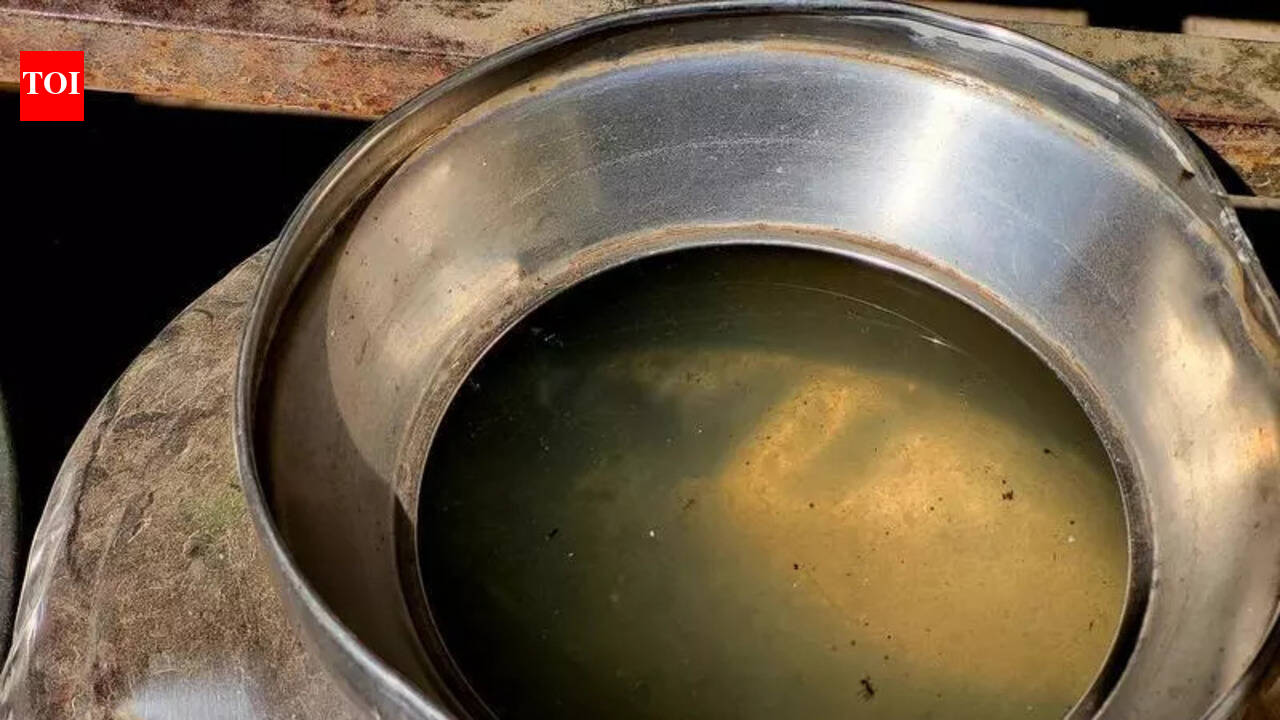
Nearly a year after Pune went through a severe outbreak of Guillain-Barré Syndrome (GBS), a report says the city’s systems have not fully addressed the vulnerabilities the crisis exposed. Investigations had indicated contaminated water as a probable trigger, making municipal water safety and rapid health response key areas for sustained reform. Yet officials, doctors and activists cited ongoing shortcomings in both civic infrastructure and hospital preparedness.
GBS is a neurological condition that can progress quickly, sometimes leading to paralysis and respiratory distress. That risk profile makes early diagnosis, ICU capacity and availability of key medicines central to outcomes. During large surges, even well-equipped systems can struggle; when gaps persist after a warning event, the risk of repeating failures becomes a public health concern.
Water safety measures: some steps, but key work pending
The report said Pune Municipal Corporation (PMC) has not yet set up a dedicated water treatment facility in areas affected during the outbreak, with land-related approvals still awaited. While the civic body has implemented automation of chlorination across water treatment plants and continues routine sampling, officials acknowledged that water samples from RO suppliers were not being tested by the civic body at the time of reporting.
The city has also been working to coordinate water and drainage responses, including plans to replace ageing sewage lines and to increase testing in areas showing rises in water-borne disease indicators. However, the narrative suggests a mismatch between incremental improvements and the scale of systemic change expected after a major health shock.
Hospitals: capacity, supplies and speed of diagnosis
The outbreak previously highlighted hospital bottlenecks: limited ICU beds, delays in diagnostic testing and shortages of intravenous immunoglobulin (IVIG), a critical therapy for many GBS cases. The report notes that such constraints can quickly turn a treatable condition into a life-threatening one if patient volumes surge, especially when referrals and diagnostic pathways are slow.
One private hospital response highlighted in the report was the launch of a dedicated GBS clinic aimed at accelerating diagnosis, treatment and rehabilitation. The clinic model is meant to reduce time lost in navigating multiple departments and to provide structured care under a coordinated pathway—an approach that can matter when neurological deterioration is rapid.
Surveillance and reporting: building earlier warnings
The report also pointed to efforts to strengthen monitoring through surveillance improvements and by training more private hospitals to report unusual rises in communicable disease patterns. The proposed expansion of surveillance capacity is intended to support early warning—critical for conditions linked to water quality or localised contamination, where detection speed can limit spread and reduce clinical load.
Public health experts often stress that post-outbreak reforms must combine infrastructure work with operational changes: reliable water testing, transparent reporting, surge capacity planning and centralised availability of rare but essential medicines. Without that full chain, cities risk learning the same lessons repeatedly at high human cost.