A year after Pune’s GBS outbreak, civic upgrades and hospital preparedness remain uneven, report says
One year after Pune faced a major Guillain-Barré Syndrome (GBS) outbreak linked by investigations to contaminated water, gaps remain in water safety upgrades and hospital readiness, with slow infrastructure clearances, incomplete testing coverage and concerns over ICU capacity and critical drug availability.
- Reporting desk
- Health India Network News Desk
- First published
A year on, the system is still catching up
A year after Pune experienced a severe Guillain-Barré Syndrome (GBS) outbreak—where investigations pointed to contaminated water as the probable trigger—systemic gaps remain in both prevention and clinical preparedness, according to a report published on 26 January 2026. While the episode exposed vulnerabilities in municipal water safety and hospital surge capacity, progress on key fixes has been slower than many residents and clinicians expected.
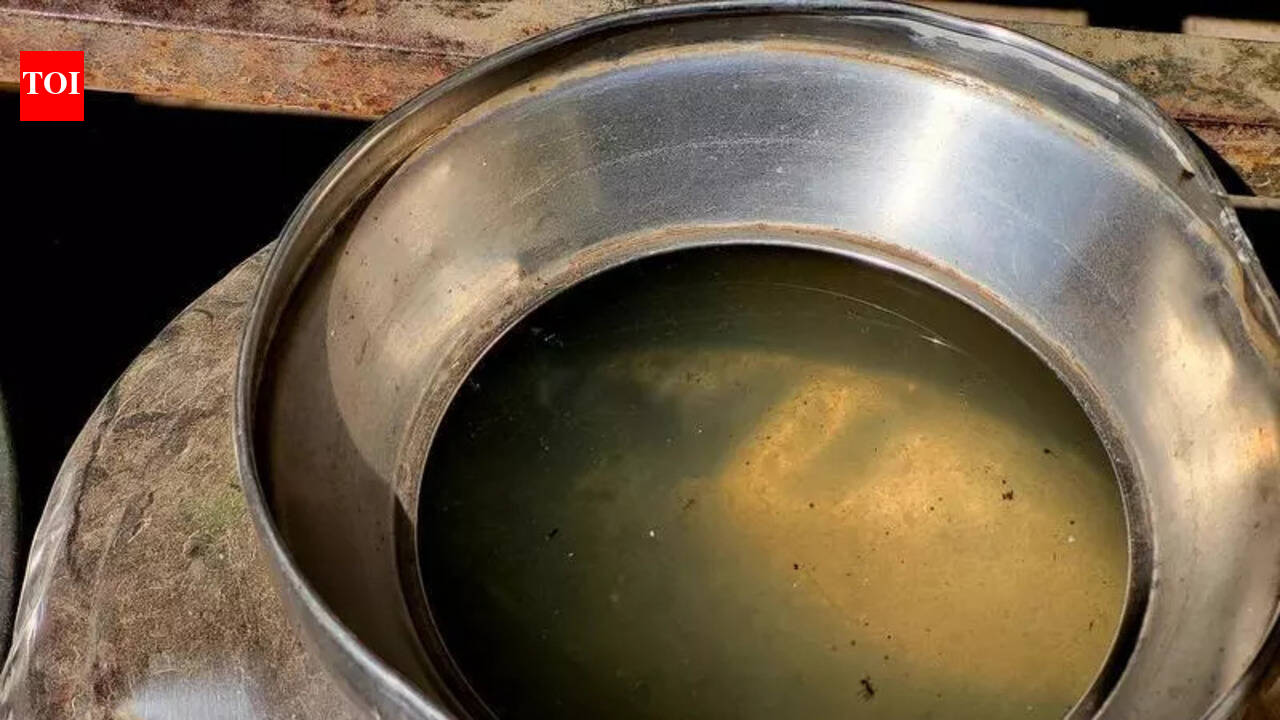
The report notes that Pune Municipal Corporation (PMC) has not yet set up a dedicated water treatment plant in the affected areas, citing pending approvals for land use. At the same time, PMC has rolled out automation of chlorination across water treatment plants and continues random water sampling through its laboratory testing, but the coverage is not comprehensive across all potential sources of drinking water supplied to households.
Water safety measures: steps taken, but testing gaps remain
Officials cited regular random sampling and instructions to water suppliers on safety standards as ongoing measures. However, the report highlights a key weakness: water samples from RO suppliers are not being tested by the civic body at present, leaving a blind spot in oversight. The PMC is also coordinating with drainage and health departments to replace older sewage pipelines and increase testing in areas where water-borne disease signals rise, indicating that infrastructure and surveillance are being treated as linked problems rather than separate ones.
From a public health standpoint, these details matter because outbreaks tied to water contamination are often prevented not by a single intervention but by layered controls—treatment capacity, pipeline integrity, monitoring frequency, and the ability to detect issues early in high-risk zones. Delays in any layer increase the chance that a contamination event becomes a wider health emergency.
Hospital preparedness: the GBS surge exposed shortages
The GBS outbreak also tested Pune’s hospital system. The report describes how the surge previously exposed shortages of ICU beds, delays in diagnostic testing and difficulty sourcing intravenous immunoglobulin (IVIG), a critical therapy for severe cases. It quotes clinicians urging that rare but essential drugs should be centrally stocked during crises so patients and hospitals are not forced into last-minute procurement.
In response, at least one private hospital has launched a dedicated GBS clinic aimed at speeding up diagnosis and treatment under one roof, with an emphasis on rapid testing and multidisciplinary follow-up. Such clinics can improve outcomes in a condition that can deteriorate quickly, but they do not replace the broader need for public systems that can scale during sudden spikes in neurological emergencies.
- Location: Pune.
- Issue: Post-GBS outbreak reforms remain incomplete.
- Key gaps cited: pending dedicated water treatment facility, RO supplier testing not covered, continued concerns over ICU capacity and IVIG availability.
- Some improvements: chlorination automation, routine sampling, onboarding hospitals for surveillance reporting.