A year after Pune’s GBS outbreak, civic body still short on water safety steps and hospital preparedness, report says
A year after a severe Guillain-Barré Syndrome (GBS) outbreak in Pune—linked by investigations to contaminated water—gaps remain in water safety measures and health-system readiness, according to a report. Officials cited chlorination automation and sampling, but testing of RO-supplier water and a dedicated local treatment facility remain pending, while hospitals recall shortages and diagnostic delays during the crisis.
- Reporting desk
- Health India Network News Desk
- First published
What changed after the outbreak—and what did not
A year after Pune faced a major Guillain-Barré Syndrome (GBS) outbreak, the Pune Municipal Corporation (PMC) and the city’s healthcare ecosystem are still grappling with unresolved vulnerabilities, a report said. Investigations pointed to contaminated water as a likely driver, putting municipal water safety and rapid clinical response at the centre of the lessons learned.
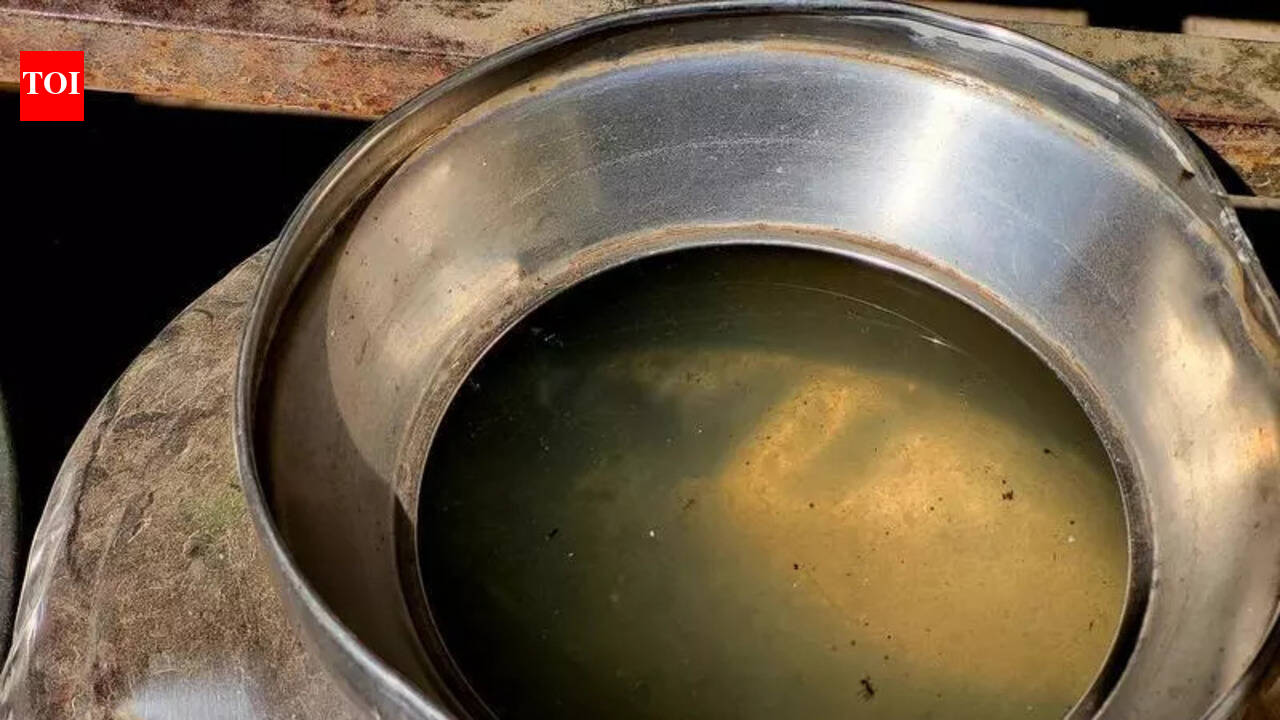
The report said PMC has implemented automation of chlorination across water treatment plants and continues random water sampling that is tested at a civic laboratory. But it also noted that key measures—such as setting up a dedicated water treatment facility in the affected areas—are still not in place due to administrative hurdles including land clearance.
RO water testing and sewage infrastructure remain concerns
One gap flagged in the report is the lack of routine testing for water supplied by RO vendors, even as the civic body samples other sources. PMC officials were quoted as saying tenders would be invited to enable testing through accredited third-party labs, signalling that the oversight is recognised but not yet fully addressed.
The report also described coordination between drainage and health departments to replace old sewage pipelines and step up checks in areas where water-borne illnesses rise—an acknowledgement that water contamination risks are not confined to a single point of failure.
Hospital readiness: ICU capacity, diagnostics and critical drugs
On the healthcare side, the outbreak exposed how quickly hospitals can be overwhelmed when severe neurological cases surge. The report recalled shortages of ICU beds, delays in diagnostic testing and limited availability of intravenous immunoglobulin (IVIG), a key therapy used in many GBS cases.
In response, one private facility launched a dedicated GBS clinic aimed at faster diagnosis, treatment and rehabilitation. Experts quoted in the report argued for systemic preparedness, including better disease reporting and centralised stocking of rare but critical medicines so patients and hospitals are not forced into last-minute scrambles during public health emergencies.