A year after Pune’s GBS crisis, civic upgrades and hospital readiness still lag, report says
One year after Pune faced a major Guillain-Barré Syndrome (GBS) outbreak linked to suspected contaminated water, a report says systemic gaps remain. The PMC is yet to set up a dedicated water treatment plant in affected areas, while hospitals and civic agencies continue to work on surveillance, reporting and critical drug readiness.
- Reporting desk
- Health India Network News Desk
- First published
One year on, the aftermath of a rare health shock
A year after Pune endured a severe Guillain-Barré Syndrome (GBS) outbreak, the city’s preparedness and water-safety upgrades are still incomplete, according to a report published on 26 January 2026. Investigations had pointed to contaminated water as a probable trigger, yet key infrastructure steps—especially a dedicated water treatment facility in the affected areas—remain pending.
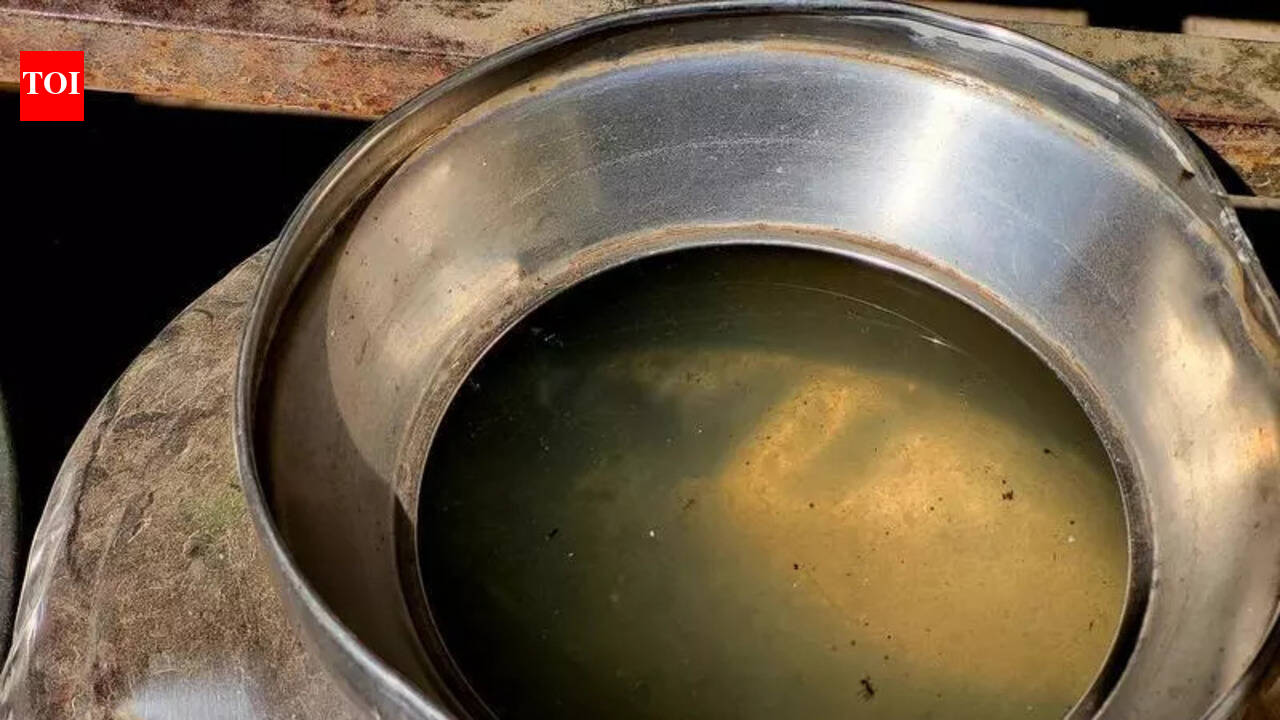
The Pune Municipal Corporation (PMC) has acknowledged delays, citing the need for approvals before construction can begin. While some process improvements have been introduced, the central question raised is whether the city has translated the hard lessons of the outbreak into sustained prevention systems.
Water safety: automation improves, but testing gaps persist
The report notes that chlorination automation has been rolled out across water treatment plants and that the civic body carries out random sampling tested at the Parvati laboratory. However, testing of water samples from RO suppliers was identified as a gap, with PMC indicating it plans to invite tenders for third-party accredited testing.
On the sewage side, the civic body said it is coordinating with drainage and health departments to replace old pipelines and test samples in areas where water-borne illnesses show a rising trend. Even so, the overarching critique is that improvements have been incremental rather than transformative.
Hospitals: reporting, surveillance and ICU capacity in focus
The outbreak exposed how quickly hospitals can be overwhelmed when patients need intensive monitoring, rapid diagnosis and expensive therapies. Shortages of ICU beds, diagnostic delays and limited availability of intravenous immunoglobulin (IVIG) injections were among the operational problems highlighted from that period.
In response, efforts are underway to strengthen disease reporting, including training private hospitals and onboarding more admission facilities into reporting systems. The report also points to an upcoming Metropolitan Surveillance Unit expected to improve monitoring. Separately, Jupiter Hospital in Baner has launched a dedicated GBS clinic aimed at quicker diagnostics and a streamlined treatment pathway.
Key points highlighted in the report
- Dedicated water treatment plant in affected areas not yet set up due to pending clearance
- Chlorination automation implemented; random sampling ongoing
- RO supplier water testing not currently done; third-party testing planned
- Private hospitals being trained for unusual disease reporting; surveillance unit planned
- Hospitals faced ICU/IVIG shortages during the outbreak; specialised clinic launched for faster care
Why follow-up matters for public health
GBS itself is not a typical seasonal surge illness, which makes prevention and readiness harder to institutionalise once headlines fade. The Pune experience shows how civic water systems, hospital surge capacity and drug supply planning are interconnected—and how delays in any one link can raise risk for everyone.
The report frames the post-outbreak year as a test of whether crisis-driven attention can be converted into durable public-health infrastructure, not just temporary measures.