North India weather alert: IMD flags snow, hail and rain from 26 January; health agencies urge caution
The IMD has issued a multi-state alert for heavy snowfall, hailstorms and widespread rainfall from 26 January, driven by a fresh western disturbance. Alongside disruption risks, such conditions can aggravate cold-related illness and respiratory distress, especially for older people and those with asthma or heart disease, with doctors and agencies typically advising layered protection and limited exposure.
- Reporting desk
- Health India Network News Desk
- First published
What IMD has warned
The India Meteorological Department has warned of widespread unsettled weather from 26 January 2026 across parts of northern, northwestern and central India due to a fresh western disturbance. The alert flags heavy snowfall in higher reaches, hailstorms, thunderstorms, gusty winds and shifting temperatures, with impacts expected to intensify around 27 January before easing gradually.
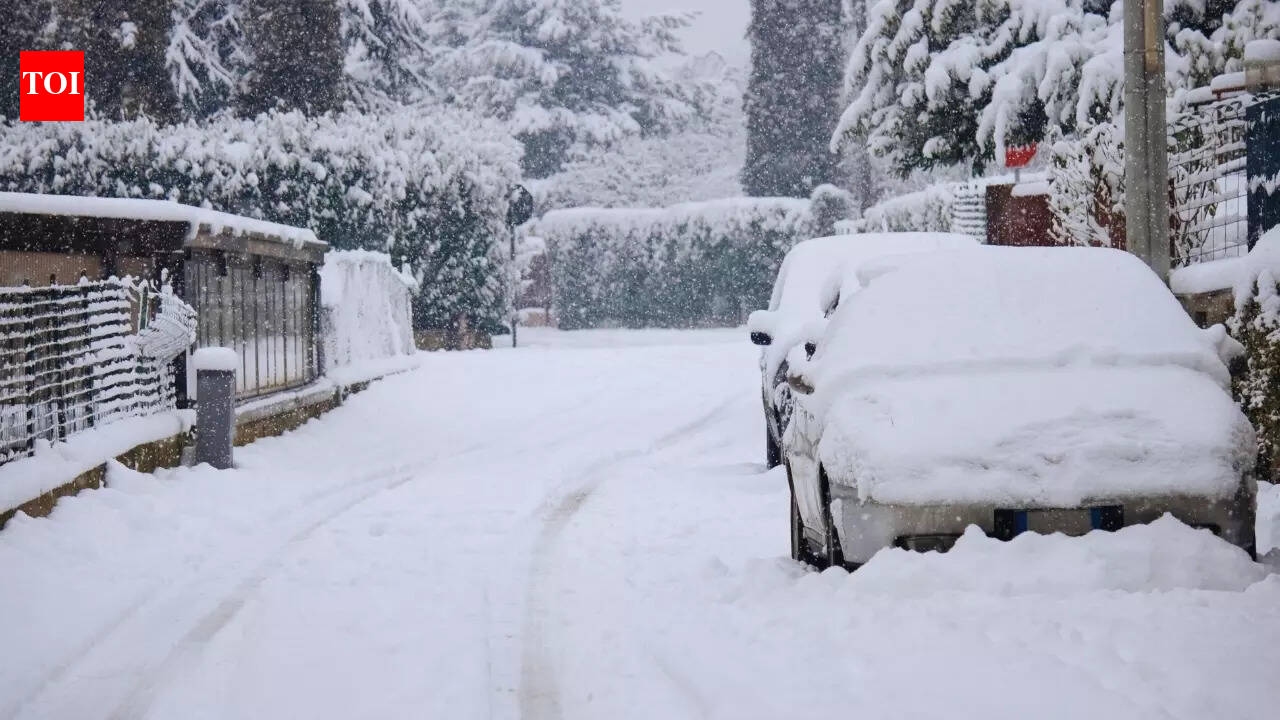
The immediate risk is physical disruption—road closures, delays and exposure events—but the secondary public-health impact often comes from extended cold, wet conditions and crowding indoors, which can increase respiratory discomfort and trigger flare-ups for vulnerable groups.
Why this is also a health story
Cold-wave conditions and sudden weather swings can worsen symptoms in people with asthma, COPD and heart disease. Hail and thunderstorms can also worsen air quality locally by resuspending dust and driving rapid humidity changes, while heavy snow and rain raise the risk of hypothermia in people caught outdoors without protection.
Travel advisories matter because stranded commuters and tourists are the most likely to face prolonged exposure. The same weather systems can also aggravate fog, reducing visibility and increasing accident risk, which indirectly increases emergency medical load.
Practical precautions during the alert window
- Limit long outdoor exposure on 26–28 January 2026 in alerted areas, especially for children and older adults
- Keep warm in layers and protect hands, feet and ears in cold and wet conditions
- If you have asthma/COPD, keep inhalers/medicines accessible and avoid overexertion in cold air
- Check local advisories before travel; avoid being stranded without food, water and warm clothing
With multiple hazards expected together—snow, hail, rain and gusty winds—health risk management is largely about reducing exposure time, planning travel, and ensuring vulnerable family members have their regular medicines and warm shelter.