Kolkata sees cough-and-cold flare-up as temperature swings trigger respiratory infections; hospitals report higher load
Hospitals in Kolkata have reported a rise in cough, cold, fever and chest congestion cases as minimum temperatures fluctuated sharply over the past week. Doctors linked the spike to common respiratory viruses and winter pollution that worsens asthma and COPD symptoms. Clinicians advised symptomatic care and warned against unnecessary antibiotic use unless prescribed.
- Reporting desk
- Health India Network News Desk
- First published
Kolkata is witnessing a noticeable flare-up of cough-and-cold illnesses, with hospitals reporting increased outpatient rush and some admissions for severe respiratory symptoms. Doctors have linked the spike to rapid temperature fluctuations over the past week, with minimum temperatures swinging in a narrow but impactful band, creating conditions that can accelerate the spread of common respiratory infections.
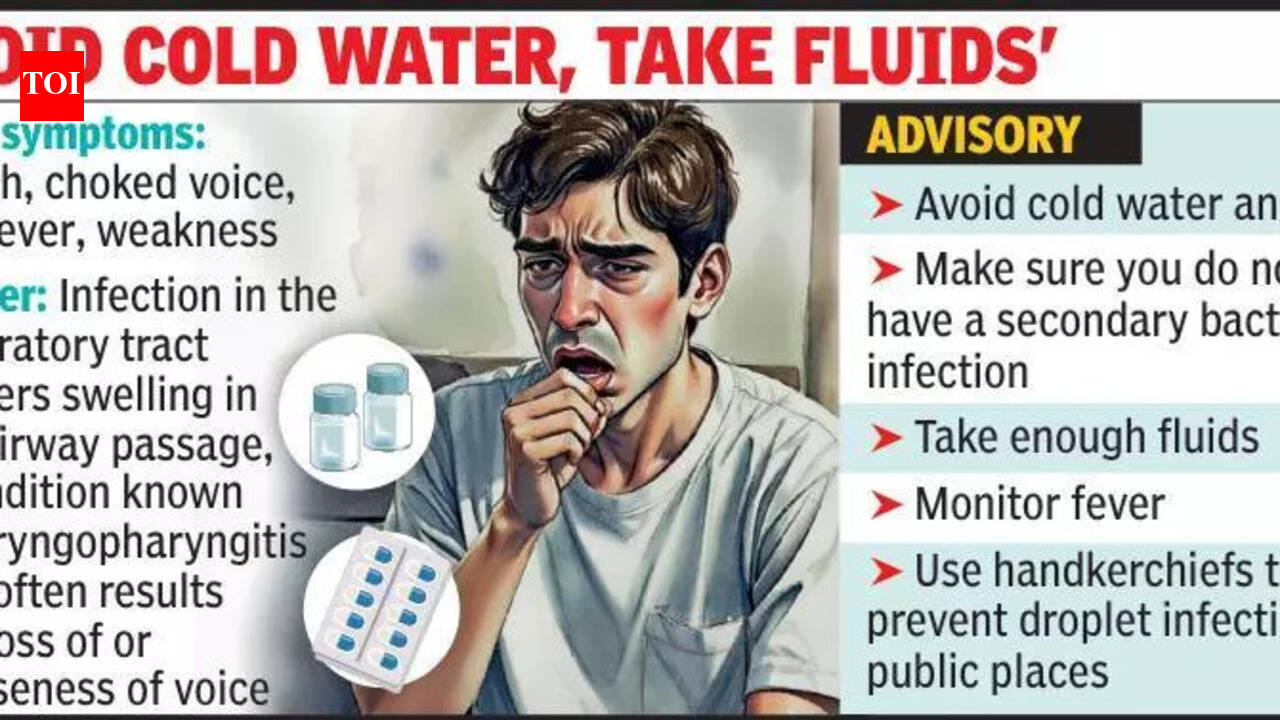
Clinicians said many patients are arriving with persistent cough, chest congestion, low-grade fever and hoarseness of voice. The pattern, they explained, is consistent with upper respiratory tract infections that become more common when winter weather becomes erratic. Some hospitals have also reported that respiratory units are heavily occupied, reflecting how quickly seasonal infections can translate into clinical load during sudden weather changes.
Medical experts cited viruses such as rhinovirus, metapneumovirus and respiratory syncytial virus as likely contributors, while also noting that some patients may develop bacterial complications. The risk is higher for those with chronic lung conditions like asthma and COPD, especially when winter pollution lingers closer to the ground and irritants remain in the lower atmosphere for longer durations.
Doctors warned that children are also being affected, though most cases are described as moderate with relatively quick recovery. Teenagers may be more exposed because of higher outdoor activity, and symptoms can mirror what adults experience. Hospitals have also indicated that sporadic cases of swine flu and other non-Covid respiratory infections have been seen, reinforcing the need for vigilance in diagnosis and treatment.
Clinicians advised patients not to self-medicate with antibiotics unless specifically prescribed, and instead to follow symptom-targeted care, maintain warmth and reduce exposure to known allergens and pollutants. They also said the current spike could continue until weather patterns stabilise, suggesting that the interplay of fluctuating temperatures and winter air quality may keep respiratory illnesses elevated for some time.