Delhi’s air improves to 102-day low after rain and winds, but ‘poor’ conditions expected to return
Delhi recorded its cleanest air in 102 days as rain and gusty winds pushed the AQI into the ‘moderate’ range. Forecasts, however, suggested the relief could be short-lived, with pollution levels likely to slide back to ‘poor’ and ‘very poor’ categories in the coming days.
- Reporting desk
- Health India Network News Desk
- First published
A brief window of cleaner air
Delhi saw a sharp improvement in air quality after rain and gusty winds helped disperse pollutants, with the city’s Air Quality Index (AQI) recorded at 192 (moderate) at 4 pm—its lowest in 102 days. The report noted this was the first ‘moderate’ day since mid-October.
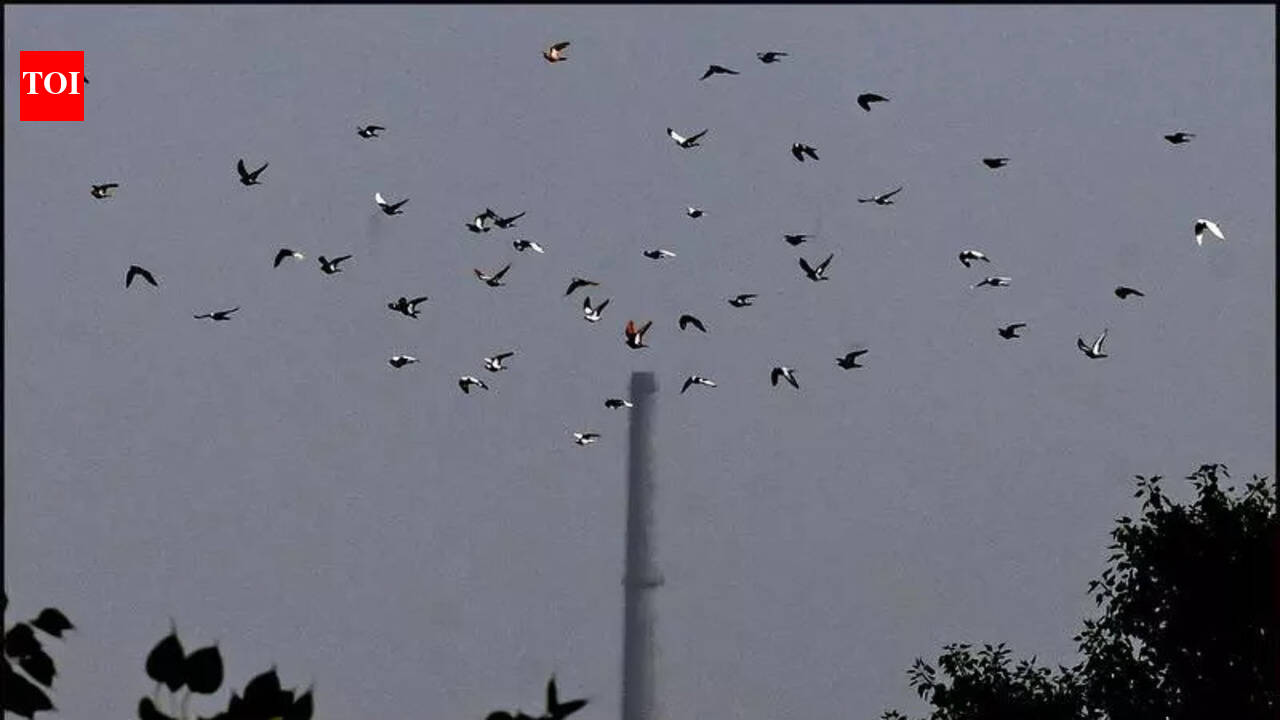
The improvement followed widespread light-to-moderate rainfall and shifting wind patterns, which temporarily improved dispersion. Clearer skies later pushed daytime temperatures up slightly, even as minimum temperatures dropped sharply.
Forecast: pollution likely to worsen again
Despite the cleaner reading, forecasts referenced in the report indicated the AQI was expected to slip back into the ‘poor’ category on Sunday, with a risk of ‘very poor’ conditions around January 26, 2026. The same outlook suggested fluctuations between ‘poor’ and ‘very poor’ over the subsequent days.
Weather conditions remain a key variable: another western disturbance was expected to influence the region, bringing a chance of light rain and gusty winds, which can sometimes help dispersion—but can also be followed by stagnation that traps pollution near the surface.
Why it matters for public health
Short-term improvements offer limited relief for vulnerable groups such as children, older adults and people with asthma or heart conditions. Public health guidance typically emphasises reducing outdoor exertion during ‘poor’ and ‘very poor’ phases and tracking day-to-day changes closely.
As winter conditions continue, residents may need to plan activities around forecasted pollution spikes, especially during early morning and evening hours when dispersion can weaken and exposure risks increase.