India and EU finalise landmark free trade agreement, with tariff cuts and wider market access
India and the European Union have finalised a long-negotiated free trade agreement that aims to expand market access on both sides and reduce tariffs across most traded goods, while still protecting select sensitive sectors, reports said.
- Reporting desk
- Health India Network News Desk
- First published
India and the European Union have finalised a landmark free trade agreement after nearly two decades of stop-start negotiations, in a deal billed by European Commission President Ursula von der Leyen as the “mother of all deals”. The agreement is designed to deepen economic ties between two major markets and reshape trade flows amid wider global trade uncertainty.
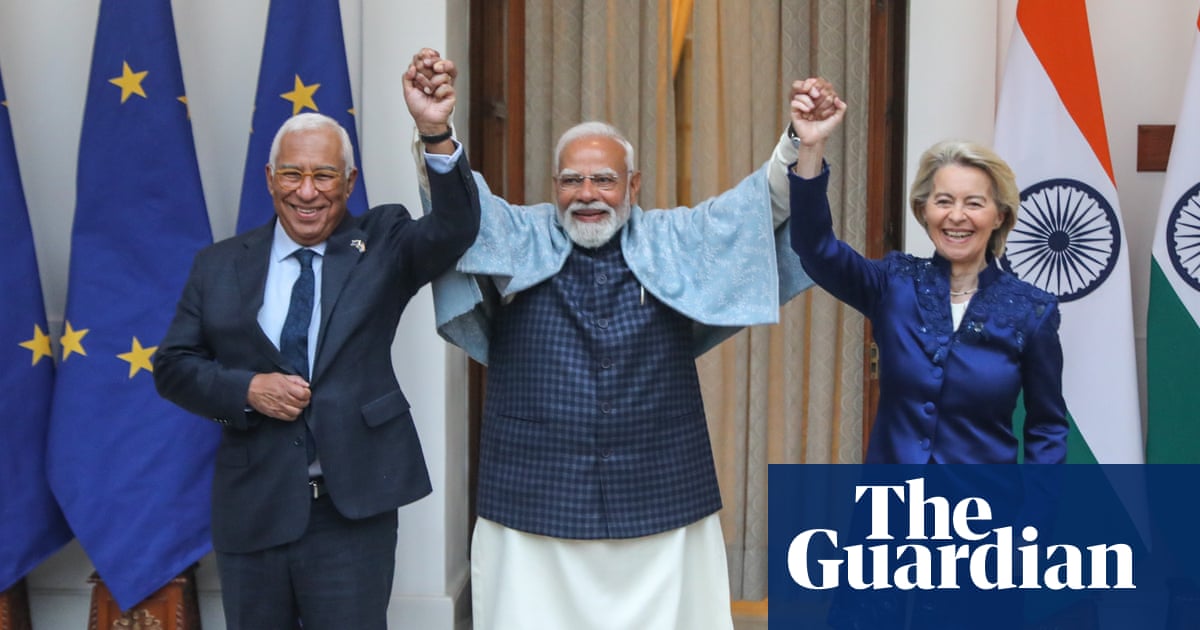
As described in reports on Tuesday, January 27, 2026, the pact targets tariff reductions or eliminations across the vast majority of goods traded between the two sides. The European Union said the agreement will cut or remove duties across 96.6% of traded goods by value, and is expected to save European companies about €4 billion in duties. The arrangement also seeks to improve regulatory cooperation and smoothen customs processes, supporting faster and more predictable cross-border movement of products.
A key headline item is the phased reduction of India’s import tariffs on European cars—from rates as high as 110% down to roughly 10% over a five-year period—along with cuts on products such as wines and spirits. At the same time, India is positioned to gain improved access in the EU market for major export categories such as textiles, pharmaceuticals and gems, with preferential access for a large share of Indian exports.
Both sides have also emphasised that sensitive sectors remain protected. Reports noted that some agriculture-related categories and other politically sensitive items are likely to remain shielded through exclusions or slower liberalisation schedules. This balancing act is meant to make ratification easier while still delivering broad-based trade expansion.
Beyond tariffs, the agreement is being presented as part of a broader strategic alignment. Reports said it sits alongside a set of parallel initiatives expected to strengthen cooperation in areas including security and mobility. The trade deal still requires formal ratification procedures—by EU member states and the European Parliament on the EU side, and by the Indian cabinet on India’s side—before it can enter into force.
- Why it matters for consumers: lower tariffs can gradually make some imported categories cheaper, especially in automobiles and select food-and-beverage segments.
- Why it matters for exporters: improved EU access could support Indian sectors like textiles, pharma and gems, but compliance and standards will remain crucial.
- What to watch next: ratification timelines and the final product lists, including safeguards for sensitive sectors.