India and EU clinch landmark free trade deal after years of talks
India and the European Union have concluded a long-awaited free trade agreement, promising broad tariff cuts and deeper economic cooperation, though it still needs ratification before it takes effect.
- Reporting desk
- Health India Network News Desk
- First published
India and the European Union have finalised a sweeping free trade agreement, ending nearly two decades of stop-start negotiations and signalling a major expansion of economic ties between two large markets. European Commission President Ursula von der Leyen described the pact as the “mother of all deals”, with both sides pitching it as a trade opening big enough to reshape flows in manufacturing and services.
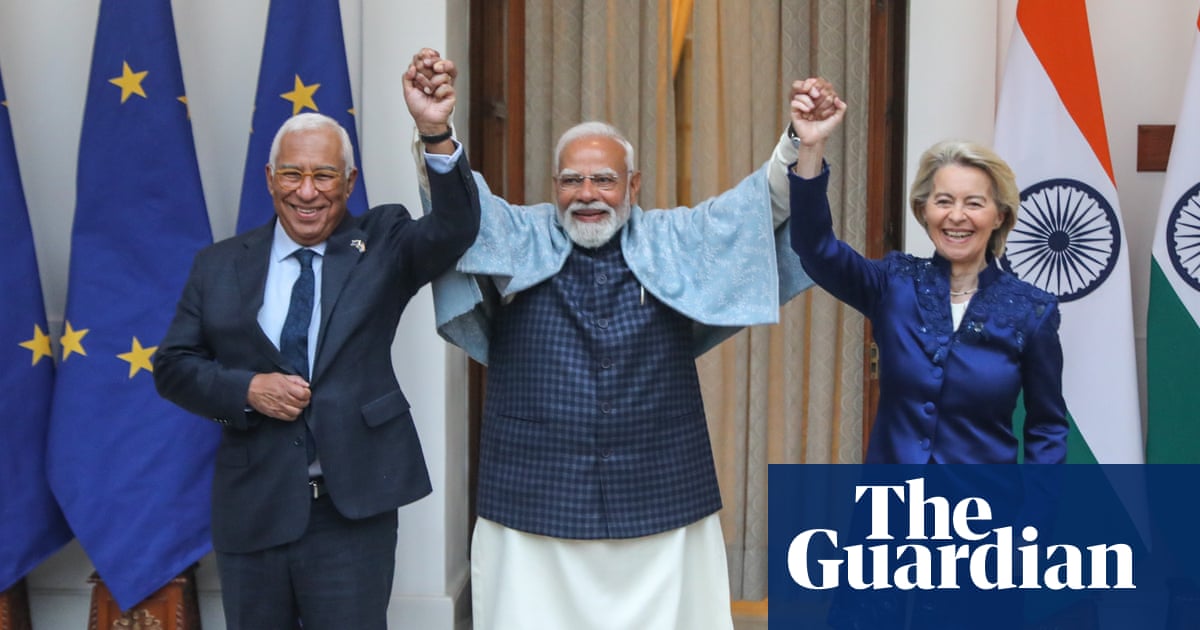
The agreement is designed to lower or remove tariffs across a wide share of goods traded by value and improve market access on both sides. For the EU, it is expected to unlock improved entry for key products such as cars and wine; for India, it creates easier routes for exports such as textiles, gems and pharmaceuticals, along with clearer pathways in services where Indian firms seek expanded access.
What is in the deal
A core headline is the planned reduction of India’s steep import tariffs on European cars over a phased period. The deal also envisages wide-ranging cuts to duties on industrial products, alongside concessions on select food and consumer categories. The EU, meanwhile, is presented as maintaining protection for some sensitive farm products, reflecting political pressure around agriculture inside Europe.
Beyond trade in goods, the broader summit package discussed alongside the agreement includes cooperation on security and counter-terrorism and efforts to build more structured pathways for labour mobility. These complementary tracks are being framed as part of a wider strategic partnership rather than a purely commercial bargain.
Next steps before it applies
The pact is not automatically in force. It still requires ratification through EU processes—including member states and the European Parliament—alongside approvals on the Indian side. Only after this ratification stage can businesses on either side begin relying on the new tariff schedules and market-access commitments.
Supporters argue that the deal could substantially lift bilateral trade over the coming years, while critics are expected to scrutinise impacts on domestic industries, especially sectors that have traditionally been shielded by high tariffs. For now, the announcement marks a political breakthrough and a new direction for India–EU economic engagement.