India beat New Zealand in Guwahati to seal series as Abhishek Sharma, Suryakumar Yadav lead chase
India sealed a series win against New Zealand in Guwahati after bowlers set the platform and batters finished the job. Abhishek Sharma provided a fast start and Suryakumar Yadav carried the chase, completing a strong run that followed earlier wins in Nagpur and Raipur.
- Reporting desk
- Health India Network News Desk
- First published
A series-clinching night in Guwahati
India defeated New Zealand in Guwahati to clinch the series, building on earlier wins in Nagpur and Raipur. The final game followed a slightly different script: India’s bowlers made early inroads and controlled the tempo, allowing the chase to be approached with clarity rather than panic.
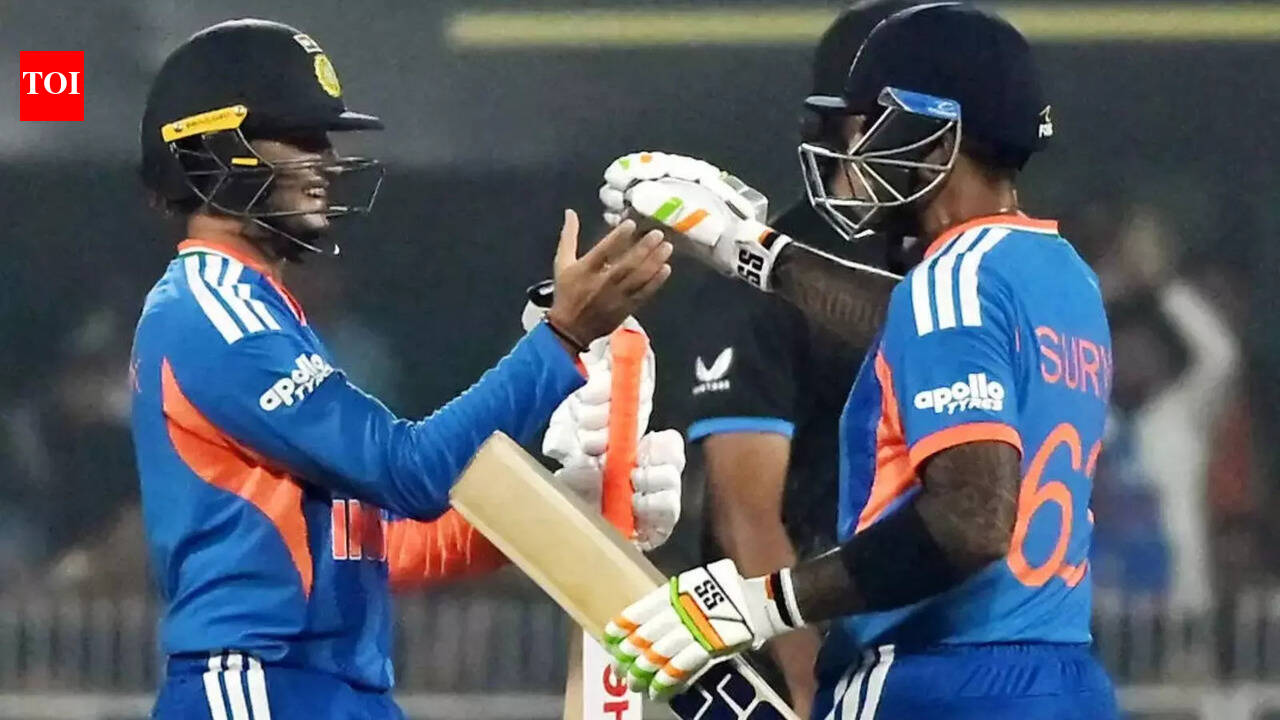
With the target in sight, Abhishek Sharma set the tone up front with an aggressive start that reduced pressure in the powerplay. Suryakumar Yadav then sustained the momentum, ensuring India stayed ahead of the required rate and finished the match without letting New Zealand force a late twist.
Bowlers create the advantage
While the headline belonged to the batters, India’s control began earlier with the ball. Tight spells and timely wickets restricted New Zealand and prevented a runaway total. That discipline shaped the chase: the batting unit could take calculated risks rather than swing wildly.
For India, this pattern has become a template in white-ball cricket: use early wickets to control match-ups, squeeze scoring options through the middle overs, and then back a deep batting line-up to close chases with intent.
What it signals going forward
A series win against a strong opponent like New Zealand matters not just for results but for combinations and confidence. Performances from top-order aggression and a stabilising finisher-type innings are the exact ingredients teams look to lock down ahead of bigger tournaments.
India will take encouragement from the way different departments contributed across the series—big scores earlier and a more bowler-driven setup in Guwahati—because it suggests adaptability to conditions rather than dependence on one style of win.