India beat New Zealand in Guwahati to seal series as Abhishek Sharma and Suryakumar Yadav star
India wrapped up a series win over New Zealand in Guwahati, with bowlers setting up the match before Abhishek Sharma and Suryakumar Yadav powered the chase. The result capped a dominant stretch for India in the series, reinforcing the team’s momentum and depth across both batting and bowling units.
- Reporting desk
- Health India Network News Desk
- First published
- Last reviewed
Bowlers set the platform in Guwahati
India completed a series victory over New Zealand with a win in Guwahati, aided by a decisive start from the bowling unit. A Times of India match report said India’s bowlers made an early impact, restricting New Zealand and shaping the flow of the contest before the chase began. While recent matches in the series featured big runs, the Guwahati game leaned more heavily on disciplined bowling to create pressure and keep the target manageable.
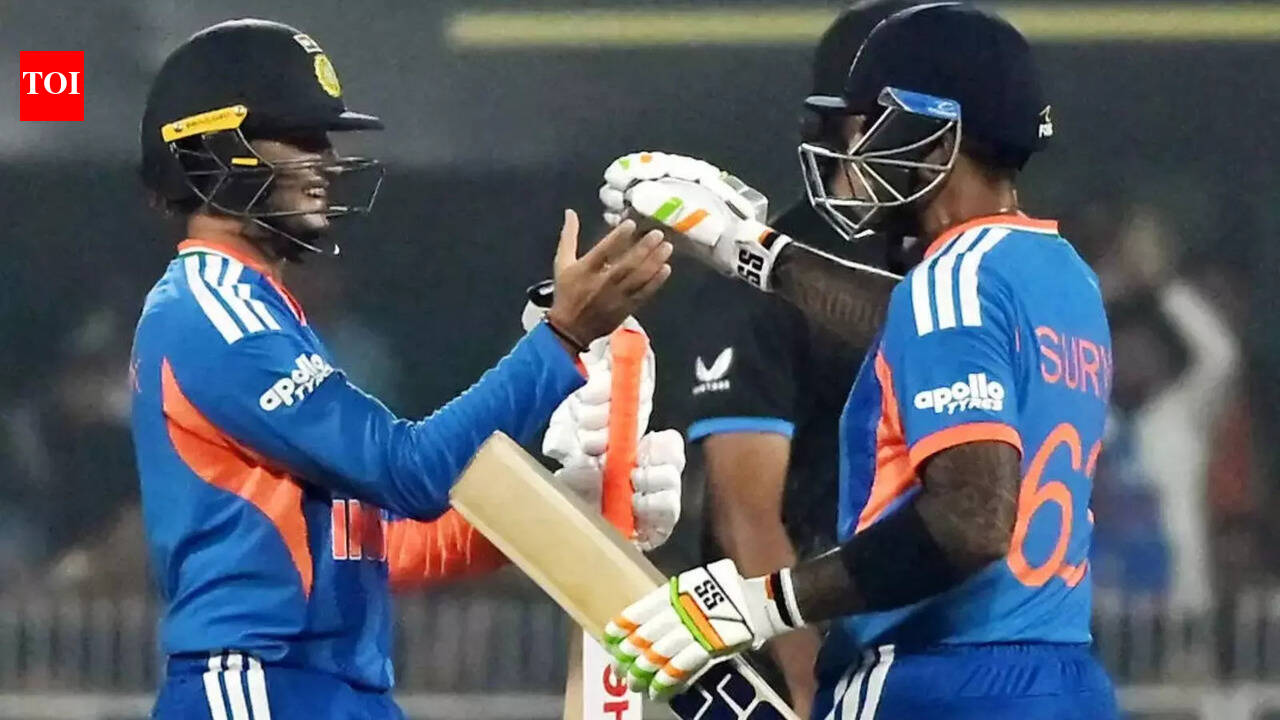
In T20-style contests, the first six overs and middle-overs control often determine whether a chase is comfortable or chaotic. India’s ability to tighten the screws early gave their batters clarity on tempo, enabling an aggressive but measured pursuit rather than a high-risk dash that can expose lower-order fragility.
Abhishek Sharma provides the burst, Suryakumar sustains it
With the ball having done its job, Abhishek Sharma supplied an explosive start, and Suryakumar Yadav carried the momentum to finish the chase, according to TOI. The pairing’s impact matters not just for this match, but for what it says about role clarity: India can attack early without sacrificing control, and still have a premier middle-order aggressor to keep the run rate ahead of the asking rate.
For New Zealand, the match underscored a familiar T20 problem—once a side falls behind in powerplay overs, it needs wickets to compensate. Without breakthroughs at the right moments, even modest targets can become chaseable when India’s top order is allowed to play with freedom.
What the series win signals
The series win adds to India’s momentum and gives selectors more evidence on combinations, especially around balancing pace options and batting depth. With big tournaments always in view, bilateral series are often used to test flexibility—whether batters can switch gears, whether bowlers can defend totals on flatter pitches, and whether fielding standards hold under pressure.
The most valuable T20 wins are the ones that don’t rely on a single template—India’s Guwahati victory was built on early control, then clean hitting.
For fans in Guwahati, the match delivered a complete narrative: a strong start with the ball, followed by a chase headlined by star power. For India, it was another confirmation that the squad can win in more than one way—an essential trait when conditions and match-ups change quickly.