Government calls all-party meet on January 27 ahead of Budget Session
Ahead of Parliament’s Budget Session starting January 28, the government is holding an all-party meeting on January 27 to discuss legislative priorities and smooth conduct of the session.
- Reporting desk
- Health India Network News Desk
- First published
The Union government has convened an all-party meeting on Tuesday, January 27, 2026, bringing together floor leaders from both Houses ahead of the Budget Session of Parliament. The meeting is intended to coordinate on key issues, outline planned legislative business and seek cooperation to ensure that proceedings run smoothly during a high-stakes session.
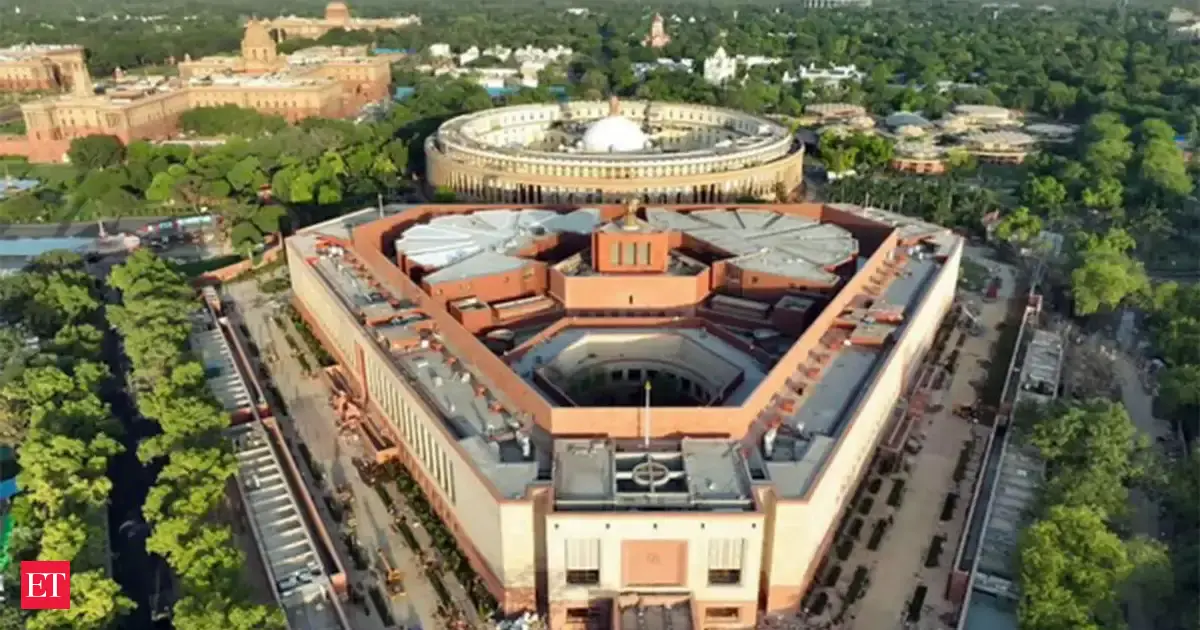
According to the schedule reported, the Budget Session is set to begin on January 28 and continue until April 2, with a break in between the two phases. The first phase is slated to run from January 28 to February 13, while the second phase is expected from March 9 to April 2, amounting to around 30 sittings overall.
Budget timeline and session start
The Union Budget for 2026–27 is to be presented on February 1, 2026. The session is also expected to formally commence with President Droupadi Murmu addressing members of the Lok Sabha and Rajya Sabha, setting the tone for debate on economic policy, taxation, spending priorities and broader governance issues.
All-party meetings before major sessions are a routine but important political step: they provide a venue to flag contentious topics early, discuss the government’s legislative calendar, and attempt consensus on rules and time allocation. Opposition parties often use the platform to demand discussions on pressing national concerns, while the government typically seeks commitment to minimise disruptions.
Why it matters this year
With the Budget arriving at the start of February, parliamentary time becomes especially valuable for debates on fiscal priorities, economic growth, inflation management, jobs and sector-specific measures. The all-party meeting is therefore a key political checkpoint, shaping whether the session proceeds through negotiation and debate—or gets derailed by repeated adjournments.
For citizens and businesses, the run-up to February 1 is also when expectations build for changes in taxes, duties, social spending and capital expenditure. The floor-leaders meeting signals that the government is moving into the final stretch of parliamentary preparation before presenting the country’s central economic plan for the year.