Budget Session run-up: Centre calls all-party meeting on January 27 ahead of Parliament sitting from Jan 28
The government scheduled an all-party meeting on January 27, 2026, as floor leaders prepare for the Budget Session beginning January 28 and the Union Budget presentation on February 1.
- Reporting desk
- Health India Network News Desk
- First published
Ahead of the Union Budget 2026–27 and the start of the Budget Session of Parliament, the Centre convened an all-party meeting in New Delhi on Tuesday, January 27, 2026. The meeting—called by Parliamentary Affairs Minister Kiran Rijiju—brings floor leaders together to coordinate legislative business, flag priorities and set expectations for how the session will run.
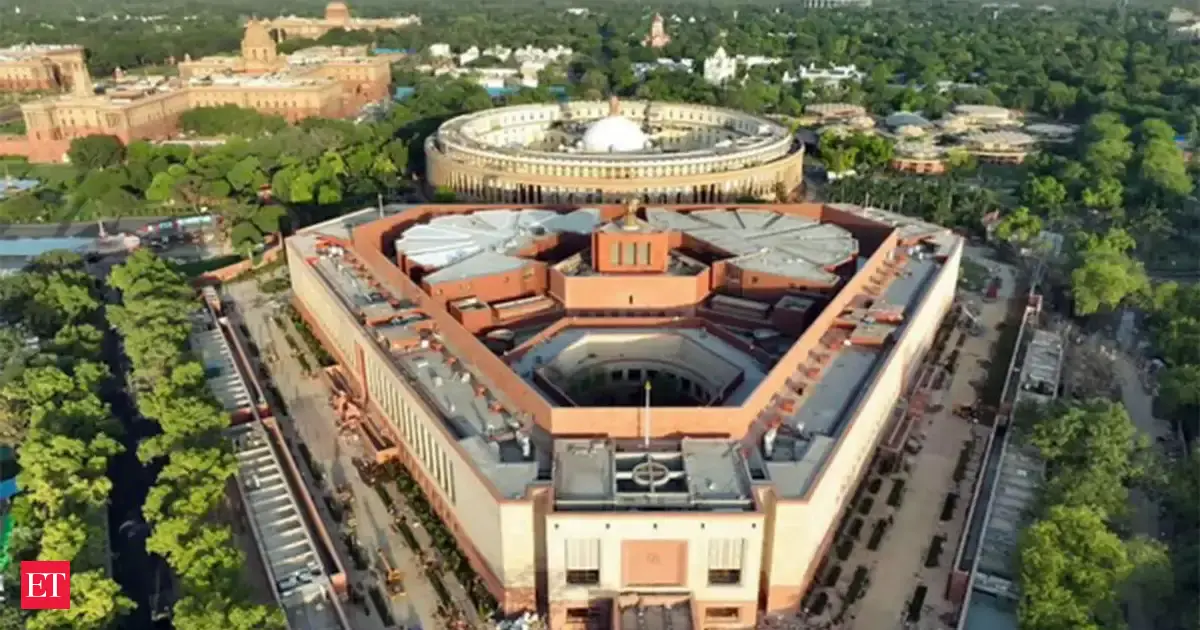
Key dates: Session begins January 28; Budget on February 1
The Budget Session is scheduled to begin on January 28, 2026, with the President’s address to both Houses marking the formal start of proceedings. The Union Budget for 2026–27 is to be presented on February 1, 2026—an event that typically shapes months of political and economic debate, from taxation and welfare allocations to capital spending and policy direction.
Two-phase session plan and legislative load
As outlined in reporting, the Budget Session is planned in two phases with a break in between, running through early April with multiple sittings. Such structure usually reflects both the breadth of business—Budget discussions, demands for grants and related financial legislation—and the likelihood of wider political contestation on non-budget issues.
Why the all-party meeting matters
All-party meetings ahead of a major session serve a practical purpose: they create a channel to raise procedural concerns, share the government’s intended schedule and reduce the risk of repeated logjams over timing. They also have a political value—offering the opposition a formal platform to state demands and letting the government signal priorities and urgency on bills it wants to move.
With Budget day approaching quickly, the January 27 meeting sets the tone for the next stretch of Parliament, where the government’s economic choices will be scrutinised and negotiated both inside and outside the House.