Intel alert flags ‘26-26’ plot; Delhi Police issues wanted notice as Republic Day security tightens
An intelligence input cited by India Today claims a suspected ‘26-26’ conspiracy linked to Pakistan’s ISI and terror groups, prompting heightened security and a Delhi Police wanted notice carrying a photo of an alleged AQIS operative.
- Reporting desk
- Health India Network News Desk
- First published
Security tightening ahead of 26 January
Indian security agencies tightened vigilance in the run-up to Republic Day after intelligence inputs flagged a suspected terror conspiracy code-named “26-26”, a reference to 26 January, according to a report by India Today. The report said the alert triggered heightened security measures, especially in the national capital and other sensitive locations.
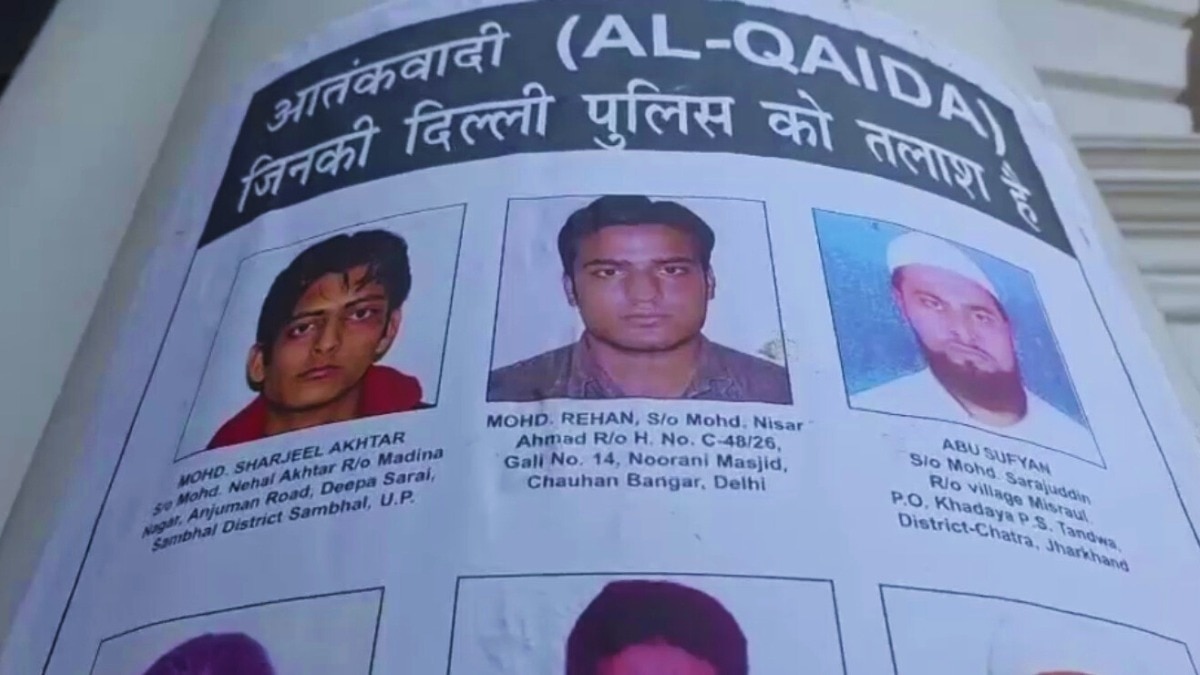
The intelligence note cited in the report alleged coordination involving Pakistan’s Inter-Services Intelligence (ISI) and terror outfit Jaish-e-Mohammed (JeM), with the objective of executing a high-impact strike to disrupt celebrations and create panic. It also warned of plans for coordinated attacks in multiple parts of the country before Republic Day.
Wanted notice and named suspects
India Today reported that Delhi Police, for the first time, issued a wanted notice carrying the photograph of Mohammad Rehan, described as an Al-Qaeda in the Indian Subcontinent (AQIS) terrorist and a resident of Delhi. The same poster also included Shahid Faisal, described in the report as a mastermind behind multiple bomb blasts in South India, including the Rameshwaram Cafe blast in Bengaluru.
The report further said the alert flagged possible targets, including Ayodhya’s Ram Temple, and referenced an earlier time window around 6 December after which surveillance and force readiness were intensified. It also mentioned that agencies were examining potential links between JeM and Punjab-based gangsters, suggesting a wider logistical network.
Online radicalisation concerns
The India Today account said security agencies were monitoring increased online radicalisation efforts, including threats attributed to a group described as the Kashmiri Resistance Group’s “Falcon Squad”. The report framed the online element as a concern for lone-wolf attempts and local recruitment, alongside more coordinated attack planning.
Officials cited in the report said preventive measures and interstate intelligence-sharing were being strengthened. With Republic Day events spanning multiple cities, the security posture aimed to protect both the main Delhi celebrations and decentralised state-level ceremonies held across India.