Tejashwi Yadav appointed RJD’s national working president in major leadership reshuffle
RJD has appointed Tejashwi Yadav as its national working president, a structural change that formalises his expanded role in party organisation and daily decision-making. The move signals a generational shift and comes amid visible internal tensions within the Yadav family.
- Reporting desk
- Health India Network News Desk
- First published
A new post and a new power centre
The Rashtriya Janata Dal (RJD) has appointed Tejashwi Yadav as the party’s national working president, creating a key role intended to strengthen organisational functioning. The appointment was made on January 25, 2026, and positions Tejashwi to play a larger part in day-to-day party management.
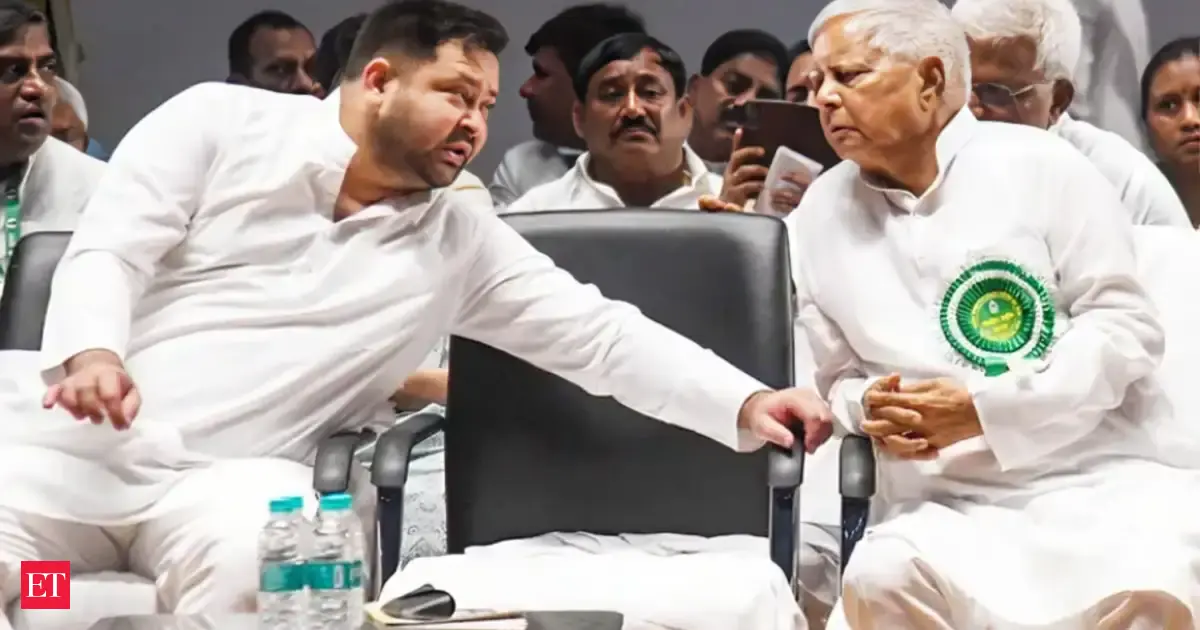
Party leadership framed the step as an important transition, with Lalu Prasad Yadav’s son now formally entrusted with routine decision-making and organisational coordination—responsibilities that typically shape candidate selection, campaign planning and party discipline.
Backdrop: internal churn and recent political pressure
The change comes in the context of reported internal tensions within the Yadav family and a debate over accountability after recent electoral setbacks. Public remarks by family members and party insiders have highlighted disagreement over who should steer strategy and how the party should respond to defeats.
The leadership move also follows earlier organisational changes in the party and underscores RJD’s effort to project leadership continuity, especially as Bihar’s political environment remains competitive and alliance arithmetic is in flux.
Why this matters for RJD
By creating and filling the national working president role, RJD is signalling a more structured chain of command. For supporters, this could streamline decisions and reduce uncertainty; for critics, it raises questions about internal democracy and how dissent is managed.
In practical terms, Tejashwi’s elevation may influence seat-sharing talks, candidate choices, and campaign messaging—especially if the party aims to sharpen its outreach beyond its traditional base and counter rivals’ narratives in upcoming contests.