Tejashwi Yadav appointed RJD national working president; Rohini Acharya alleges ‘infiltrators’ behind party decisions
Tejashwi Yadav has been named the national working president of the Rashtriya Janata Dal in Patna in the presence of party chief Lalu Prasad Yadav. Hours before a key organisational meeting, his sister Rohini Acharya publicly questioned the party’s internal direction, claiming its command had shifted to “infiltrators and conspirators”. The development signals a consolidation of leadership but also highlights visible internal unease.
- Reporting desk
- Health India Network News Desk
- First published
Tejashwi Yadav, son of Rashtriya Janata Dal (RJD) patriarch Lalu Prasad Yadav, has been appointed the party’s national working president, a move announced in Patna ahead of the RJD’s national executive meeting. The elevation formalises Tejashwi’s role in the party’s top leadership structure as the organisation seeks to regroup after a difficult electoral phase in Bihar.
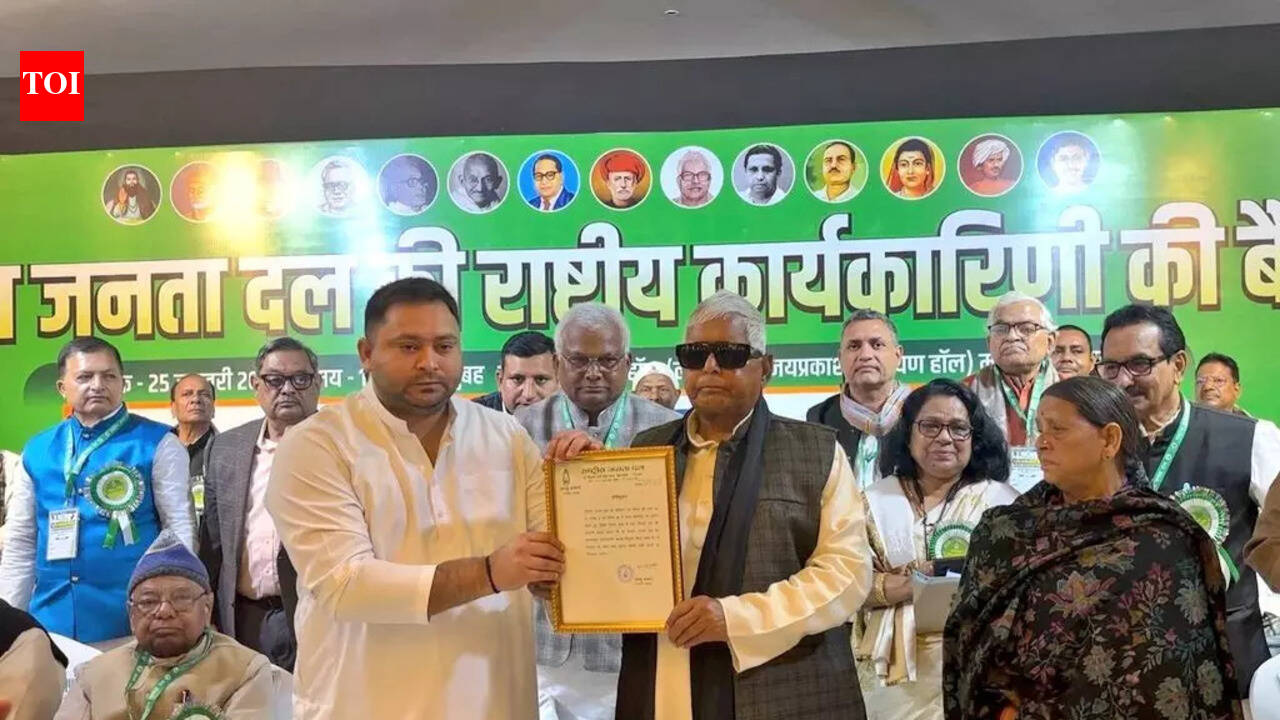
The appointment, however, unfolded amid public signs of family and organisational disquiet. Hours before the executive meeting, Tejashwi’s sister Rohini Acharya posted on X alleging that the party’s control had slipped into the hands of “infiltrators and conspirators”, whom she claimed were working to weaken what she described as “Laluvad”. She did not name any individual, but she urged those responsible for leadership decisions to introspect.
In her remarks, Acharya suggested that people who raise questions in the interest of the party face misbehaviour, and argued that silence from the top could be read as complicity. The comments added to the backdrop of internal debate on how the RJD should chart its future course, and they placed a spotlight on the tensions that can surface during leadership transitions—especially in parties closely identified with a founding family.
For the RJD, the leadership change is being watched for what it signals operationally: whether it leads to a sharper organisational push, clearer messaging and a faster campaign cadence, or whether it triggers further factional friction. With a major organisational meeting underway, the immediate test will be how the party projects unity externally while managing differences internally.
In practical terms, Tejashwi’s elevation consolidates his position as the party’s principal face for the next phase, but Acharya’s public critique underscores that consolidation does not automatically translate into consensus. How the RJD reconciles these competing signals will shape both its internal stability and its ability to mobilise cadres and allies.