India–EU ‘mother of all deals’: landmark free trade pact reached after years of talks
India and the European Union have clinched a long-awaited free trade agreement, described by leaders as a historic, strategic pivot amid global tariff tensions. The deal targets sweeping tariff cuts, easier market access and stronger supply-chain links — but still needs legal vetting and ratification before it kicks in.
- Reporting desk
- Health India Network News Desk
- First published
- Last reviewed
India and the European Union announced they have finalised a landmark free trade agreement, capping nearly two decades of stop-start negotiations and setting the stage for the biggest tariff reset between the two partners in a generation. Leaders pitched the pact as both an economic win and a geopolitical signal as major economies look to diversify trade relationships amid renewed tariff friction globally.
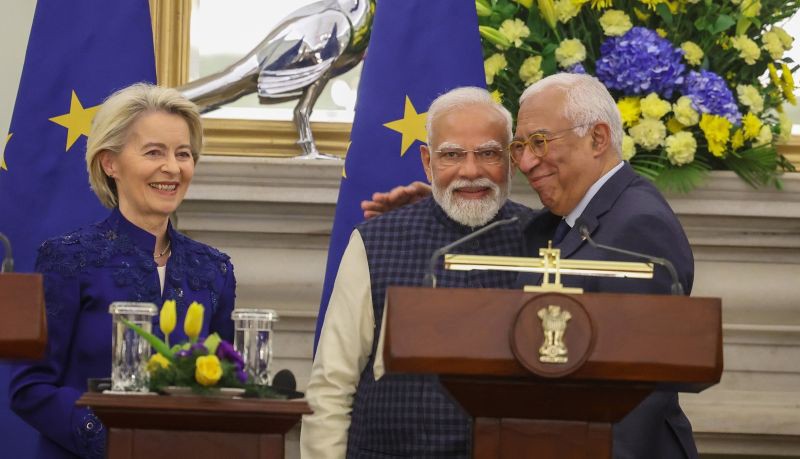
The agreement is designed to open up goods trade on a scale that covers almost all commercial flows by value. As outlined by the parties, India will reduce or remove tariffs for about 96.6% of EU exports, while the EU will phase in preferential access for close to 99% of Indian exports by trade value. Officials and analysts expect the deal to deepen supply-chain integration, expand manufacturing cooperation and improve the predictability of cross-border business over the next decade.
What changes for consumers and industry
A headline provision is the planned reduction of India’s steep import duties on European automobiles, with tariffs expected to fall from around 110% to as low as 10% under a phased approach. Separate schedules cover car parts and a set of sensitive categories, with quota-style arrangements referenced for items such as automobiles, wines and spirits. The EU side also highlighted tariff relief on machinery, chemicals and pharmaceuticals — areas where Indian duties have historically been a major cost factor.
For India, the deal aims to expand access in labour-intensive exports and high-volume segments. Sectors flagged as potential gainers include textiles and apparel, engineering goods, leather, handicrafts and footwear, and marine products. Supporters argue that wider EU access could help Indian exporters diversify demand and reduce exposure to volatile single-market cycles.
Timelines, exclusions and what happens next
Even with the political announcement in place, the agreement is not yet operational. Officials say the text must undergo legal scrubbing, followed by approvals through the EU’s ratification process and India’s domestic clearances. That sequencing means tariff benefits may arrive later rather than immediately, with some estimates pointing to implementation within months once the formal process is completed.
Not every sector is in scope. Sensitive farm and dairy items were cited as areas where negotiations stayed cautious, reflecting domestic political constraints and food-security concerns. Still, both sides presented the pact as a broad, forward-looking framework that goes well beyond narrow tariff cuts by also targeting smoother customs and regulatory cooperation.
Leaders repeatedly framed the pact as a historic ‘mother of all deals’ that strengthens both economic ties and strategic alignment.
Sources and reporting record
- E-01AP NewsAP News