India marks 77th Republic Day with Kartavya Path parade; EU leaders among top guests
India celebrated its 77th Republic Day on 26 January 2026 with a ceremonial parade on Kartavya Path in New Delhi, led by President Droupadi Murmu. The showcase blended military strength, cultural tableaux and messages of national progress, with senior European Union leaders attending as chief guests.
- Reporting desk
- Health India Network News Desk
- First published
A national showcase on 26 January
India observed its 77th Republic Day on 26 January 2026 with the main event at Kartavya Path in New Delhi. President Droupadi Murmu presided over the celebrations, unfurled the national flag and reviewed the ceremonial parade, as the country marked the adoption of the Constitution in 1950.
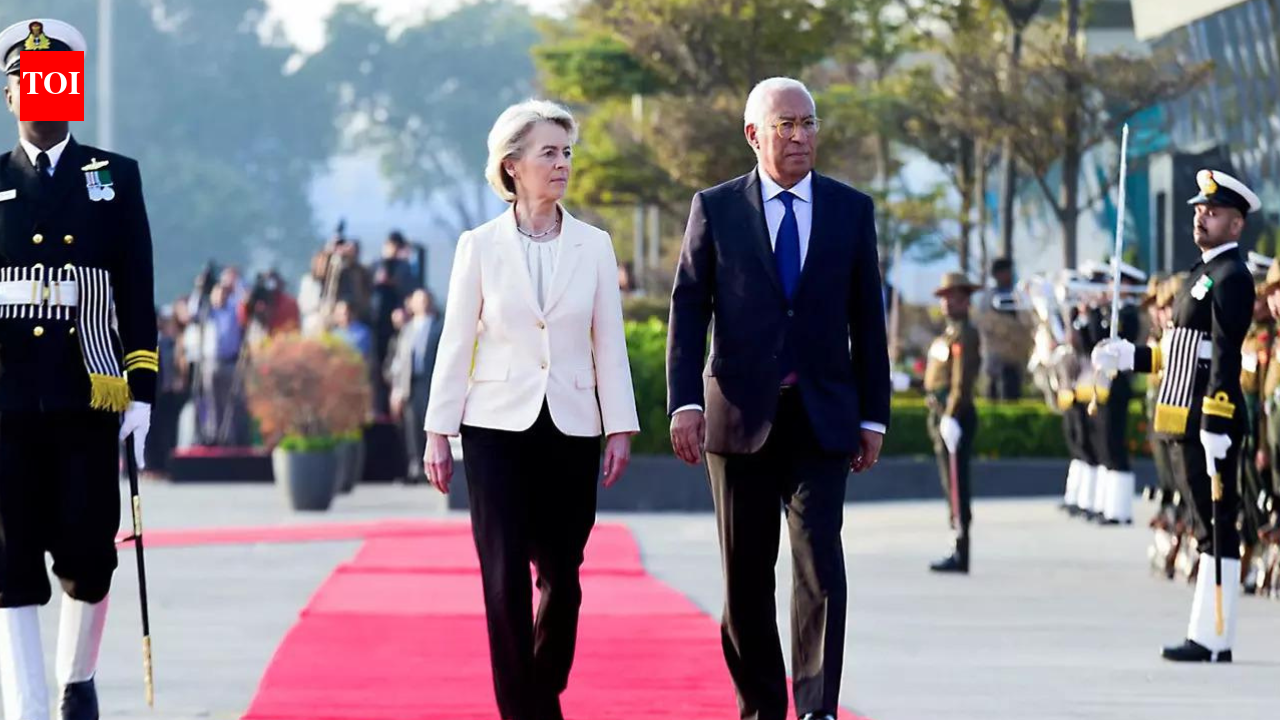
The parade brought together marching contingents, ceremonial bands and displays of military capability, while cultural performances and state tableaux highlighted the diversity of India’s regions, crafts and traditions. Security arrangements were tight, as is standard for the day, and Republic Day ceremonies were also held across state capitals.
International guests and diplomatic signalling
This year’s chief guests included European Commission President Ursula von der Leyen and European Council President Antonio Costa, underlining New Delhi’s push to pair national celebrations with visible international engagement. Their presence at the central parade was treated as a high-profile diplomatic moment on a day designed to project constitutional values and national confidence.
The celebrations also carried symbolic milestones. Reports noted that the day coincided with the 150th anniversary of “Vande Mataram”, and that the event aimed to emphasise continuity between India’s freedom movement ideals and the constitutional republic it became in 1950.
Why the parade matters beyond ceremony
Republic Day remains one of India’s most watched national events because it combines pageantry with a narrative of state capacity: disciplined marching, indigenous defence platforms, air displays, and cultural storytelling. Together, these elements are intended to communicate unity, readiness and development—both to citizens and to a global audience following India’s strategic and economic rise.
In 2026, the messaging was amplified by the attendance of top EU leaders and by the recurring emphasis on innovation and achievements, including references to India’s scientific and technological progress. The parade, in effect, functioned as a televised statement of national identity as much as a commemorative ritual.