India marks 77th Republic Day with EU leaders as chief guests; parade spotlights defence, culture and ‘Vande Mataram’ milestone
India celebrated its 77th Republic Day on 26 January 2026 at Kartavya Path, New Delhi, with European Commission President Ursula von der Leyen and European Council President António Costa attending as chief guests. The day’s parade blended tradition and pageantry with a clear message on indigenous capabilities—defence platforms, cultural tableaux and the theme marking 150 years of ‘Vande Mataram’.
- Reporting desk
- Health India Network News Desk
- First published
New Delhi witnessed the full ceremonial sweep of Republic Day on 26 January 2026 as India marked 77 years since the Constitution came into force. The Kartavya Path parade opened with the President taking the salute amid anthem and gun salute traditions, before the spectacle moved into a packed programme of marching contingents, bands, tableaux and military platforms that framed the country’s priorities for the year.
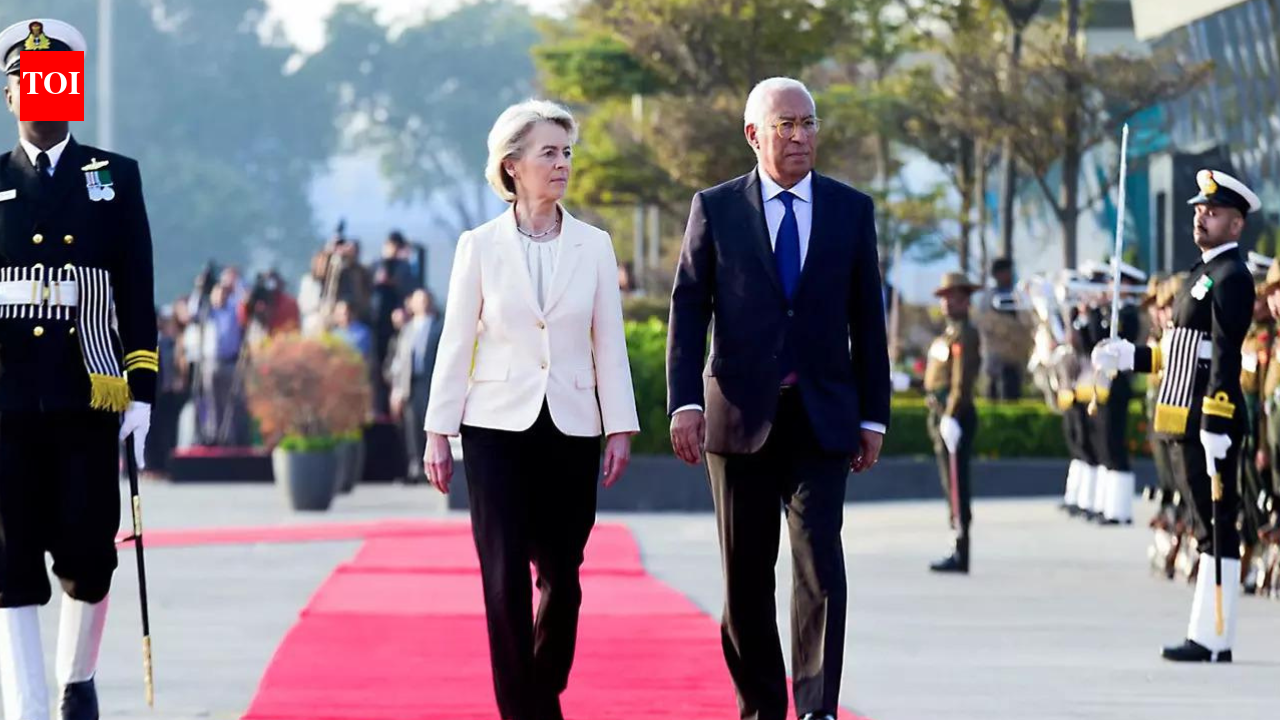
This year’s celebrations carried additional diplomatic symbolism: European Commission President Ursula von der Leyen and European Council President António Costa attended as chief guests. Their visit (25–27 January) coincided with intensified India–EU engagement, and the optics of senior EU leaders at the national parade underlined the momentum in the partnership.
A parade built around themes of heritage and self-reliance
The official messaging placed the national song ‘Vande Mataram’ at the centre, marking 150 years since its emergence as an anthem of India’s freedom movement. Along Kartavya Path—from Rashtrapati Bhavan to the National War Memorial—the event also emphasised modern nation-building themes: development, cultural unity and Aatmanirbhar Bharat (self-reliance).
The parade’s structure did what it does best: compress multiple narratives into one national stage. Military displays highlighted readiness and indigenous defence capability, while cultural performances and state tableaux presented a vivid, choreographed snapshot of India’s diversity—regions, languages, folk traditions and contemporary achievements.
International presence and a broader diplomatic signal
The attendance of von der Leyen and Costa was also notable for what comes next: a high-level India–EU summit scheduled for 27 January 2026 in New Delhi. Even before formal summit outcomes, the Republic Day appearance served as a visible indicator that both sides are treating the relationship as strategic—not merely transactional.
Beyond leaders and military formations, the parade incorporated honoured invitees linked to India’s soft-power outreach, including a group of monks and nuns who had attended the Global Buddhist Summit in New Delhi. Their inclusion echoed a second message alongside deterrence and capability: India’s emphasis on cultural diplomacy, civilisational connections and peace-oriented traditions.
Why this Republic Day stood out
- Republic Day 2026 marked 77 years since 26 January 1950, when the Constitution came into effect.
- The 2026 theme foregrounded “150 Years of Vande Mataram”, tying heritage to present-day nation-building.
- The presence of the EU’s top two leaders as chief guests brought a strong diplomatic headline to the parade.
Taken together, the day’s visuals and messaging made Republic Day 2026 more than a ceremonial milestone. It functioned as a national progress update—heritage and continuity on one side, capability, partnerships and future-facing priorities on the other—presented to domestic audiences and the wider world from the same boulevard.