Veteran journalist Mark Tully dies at 90 in Delhi, tributes pour in
Mark Tully, the BBC’s long-time voice on India and an author who made the country his home, died in Delhi at 90. Prime Minister Narendra Modi called him a “towering voice of journalism”, recalling Tully’s rare connect with India’s people and public life.
- Reporting desk
- Health India Network News Desk
- First published
Veteran journalist and author Mark Tully died on Sunday, January 25, 2026, at the age of 90, prompting tributes from political leaders, editors and readers who grew up hearing his reports and reading his books on India. Tully, born in Kolkata to British parents, built a reputation as one of the most closely followed foreign correspondents in India, spending decades reporting from the country and documenting its politics, society and everyday realities.
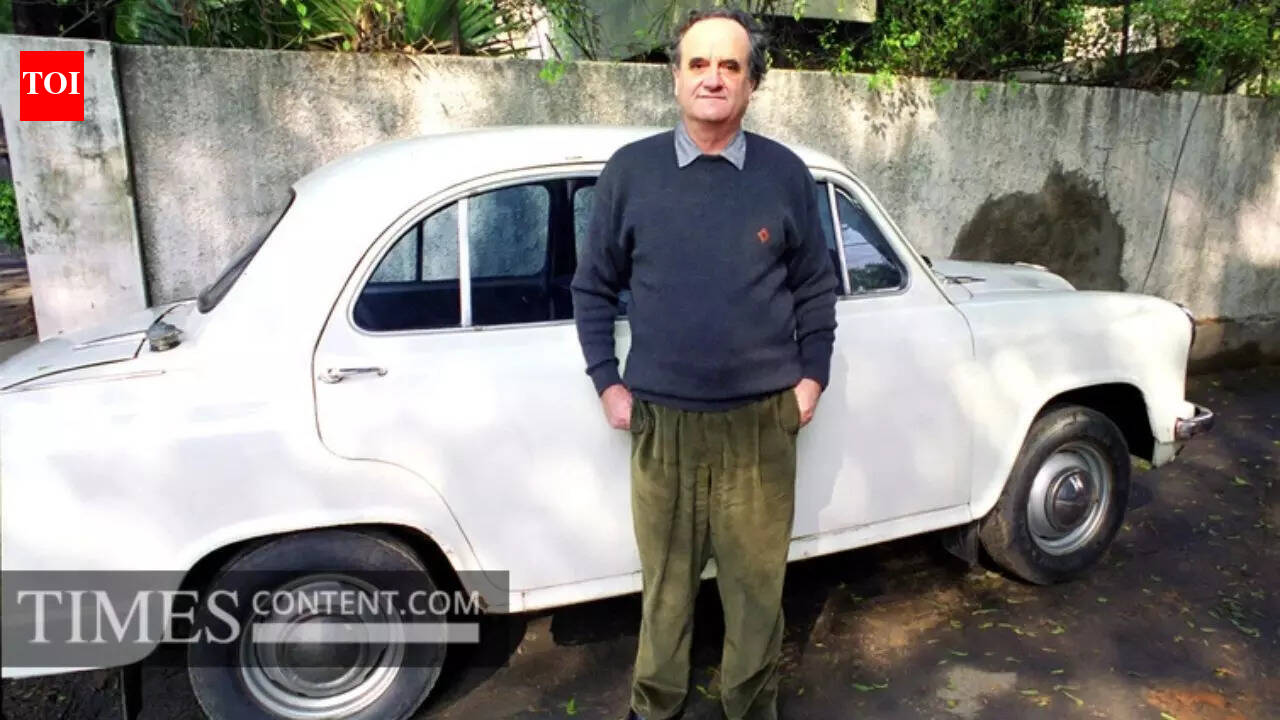
Prime Minister Narendra Modi mourned the loss, calling Tully a “towering voice of journalism” and saying his deep connect with India and its people showed through his work. The prime minister’s message reflected the unusual position Tully occupied: a journalist who began as an outsider but, over time, came to be seen by many as a chronicler of India from within—especially during periods of national upheaval, political transition and social change.
According to reports, Tully died at a private hospital in south Delhi after being admitted earlier due to illness. Newsrooms and former colleagues noted his signature approach—patient field reporting, an interest in the lives behind the headlines, and a willingness to explain India’s contradictions without flattening them into stereotypes.
Beyond broadcast journalism, Tully authored and co-authored books that combined reportage with long-form observation, taking readers from corridors of power to small towns and villages. Admirers often cited his clarity on complex subjects and his insistence that India could not be understood only through elite politics.
Tully’s death closes a chapter for an era of foreign correspondence when radio and television voices became trusted guides to national events. For many Indians, his reporting style—measured, inquisitive and grounded in listening—helped shape how the country’s story was told to the world, and how the world’s story was heard back in India.