Sensex, Nifty slide over 4% in January as FPI selling, rupee weakness and global risks weigh on markets
Indian equity benchmarks Sensex and Nifty fell more than 4% in January 2026, pressured by sustained foreign portfolio outflows, a weakening rupee and soft corporate earnings. Investors also faced heightened global uncertainty, including geopolitical risks and renewed tariff concerns.
- Reporting desk
- Health India Network News Desk
- First published
A tough January for Indian equities
Indian stock markets had a weak run in January 2026, with the Sensex and Nifty down more than 4% during the month. The drop reflected a combination of domestic and global headwinds that kept risk appetite low and encouraged investors to trim exposure.
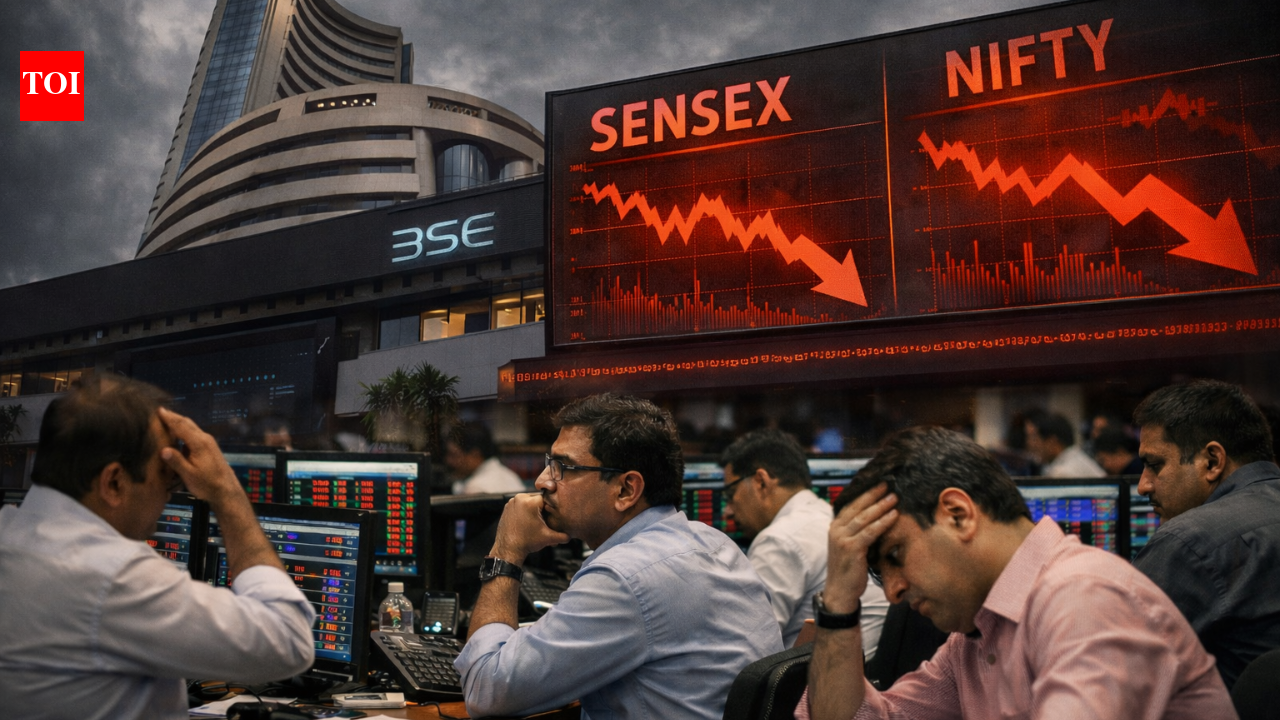
One key factor cited was sustained selling by foreign portfolio investors (FPIs). When global investors reduce allocations, highly liquid large-cap indices often feel the impact first through persistent pressure on index heavyweights and financials.
Rupee weakness and earnings worries
A weakening rupee added another layer of uncertainty, especially in periods when global rates, energy prices or external risk sentiment are volatile. Currency moves can influence flows and market positioning, and they often alter expectations around imported inflation and corporate margins for firms reliant on overseas inputs.
Markets were also described as grappling with muted corporate earnings, a factor that tends to hit valuations when investors are already cautious. When results fail to match expectations, even long-term themes can temporarily lose momentum, particularly in rate-sensitive sectors.
Global risks return to the foreground
Broader global uncertainty—geopolitical tensions and renewed tariff concerns—also weighed on sentiment. Such risks can quickly raise volatility because they create uncertainty around trade flows, supply chains and corporate demand outlooks.
Going into the rest of 2026, traders will likely watch whether FPI selling moderates, whether the rupee stabilises, and whether upcoming quarterly results provide stronger guidance. For retail investors, the January move is a reminder that even in a structurally growing economy, near-term market direction can be dominated by global liquidity and risk perception.