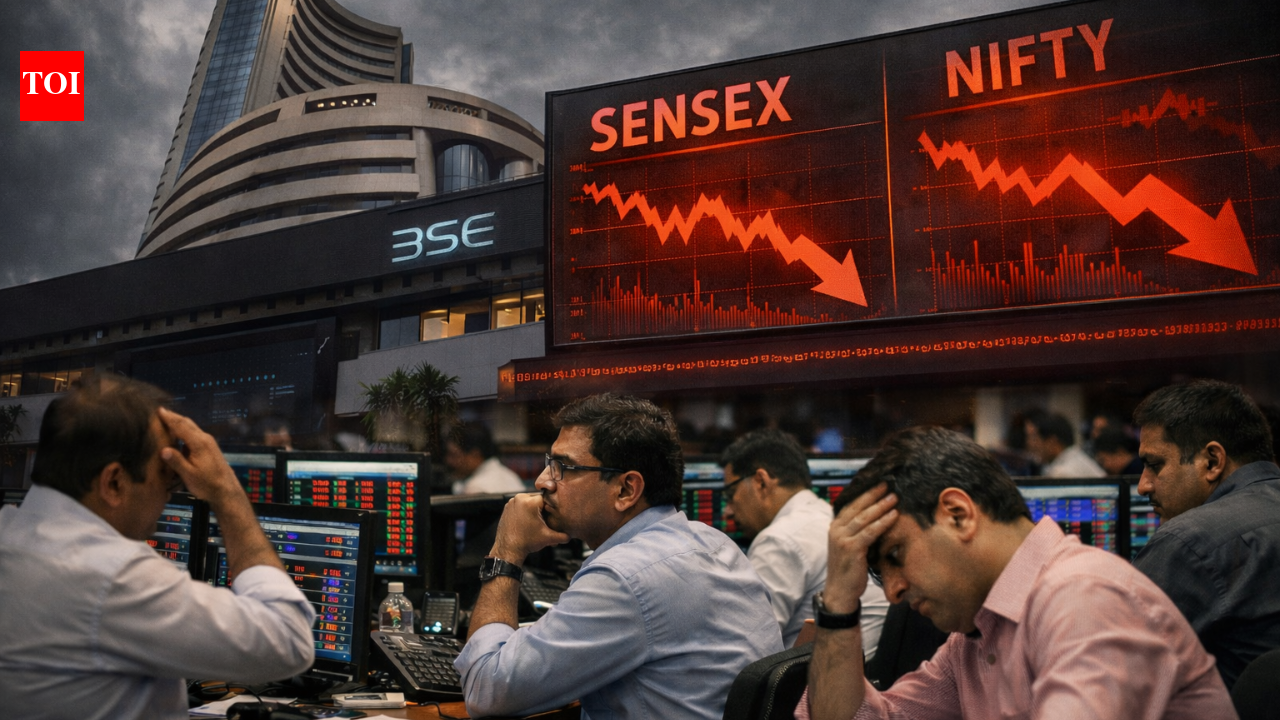
Sensex, Nifty down over 4% in January as FPI selling, rupee weakness and global risks weigh
India’s benchmark indices saw a January slide of more than 4% as foreign selling pressure, a weaker rupee, subdued earnings and global uncertainty dampened sentiment, keeping investors cautious through the month.
- Reporting desk
- Health India Network News Desk
- First published
January pullback extends risk-off mood in Indian equities
Indian equity markets entered late January with a clear risk-off undertone, as benchmark indices posted a decline of more than 4% over the month. The move reflected a combination of domestic and global pressures: persistent foreign portfolio investor (FPI) selling, a weakening rupee and a cautious reading of corporate earnings.
Market participants also pointed to global uncertainties as a key factor shaping flows. When international risk appetite turns fragile, emerging market assets tend to face volatility, and that dynamic appeared to influence trading conditions across the month’s sessions.
Key drivers: flows, currency, earnings and external headwinds
Foreign selling pressure was one of the most closely watched signals. When FPIs reduce exposure, the market can see not just lower index levels but also broader weakness across sectors that are heavily owned by offshore investors.
A weaker rupee added another layer of complexity. While currency depreciation can benefit some exporters, it often raises import-cost concerns and can amplify inflation sensitivity, influencing how investors price risk. At the same time, corporate earnings momentum has been tracked carefully, with softer outcomes in parts of the market limiting confidence in near-term upside.
What investors will watch next
With January ending, attention is expected to shift toward whether foreign flows stabilise, how the rupee trades against major peers, and whether upcoming earnings and macro indicators offer relief. Global variables—ranging from geopolitical tensions to shifting tariff concerns—may continue to shape the direction of risk appetite.
For domestic investors, the month’s decline is being read as a reminder that rallies can be interrupted quickly when liquidity and external sentiment turn adverse, even if the longer-term story remains linked to growth expectations and structural reforms.