Sensex and Nifty slide over 4% in January as FPIs sell, rupee weakens and global risks rise
India’s benchmark indices Sensex and Nifty fell more than 4% through January 2026 amid foreign portfolio investor outflows, rupee weakness, mixed earnings and global uncertainty. Analysts cited risk-off sentiment driven by geopolitical tensions, crude prices, bond yields and renewed tariff concerns, with attention now turning to Union Budget signals.
- Reporting desk
- Health India Network News Desk
- First published
- Last reviewed
A weak January for Indian equities
India’s equity markets have had a rough start to 2026, with the BSE Sensex and NSE Nifty sliding more than 4% during January. A Times of India report based on market data attributed the decline to sustained foreign portfolio investor (FPI) selling, a weakening rupee and muted corporate earnings, alongside a broader rise in global uncertainty. The combination has pushed investors into a more defensive posture, especially as international cues remain volatile.
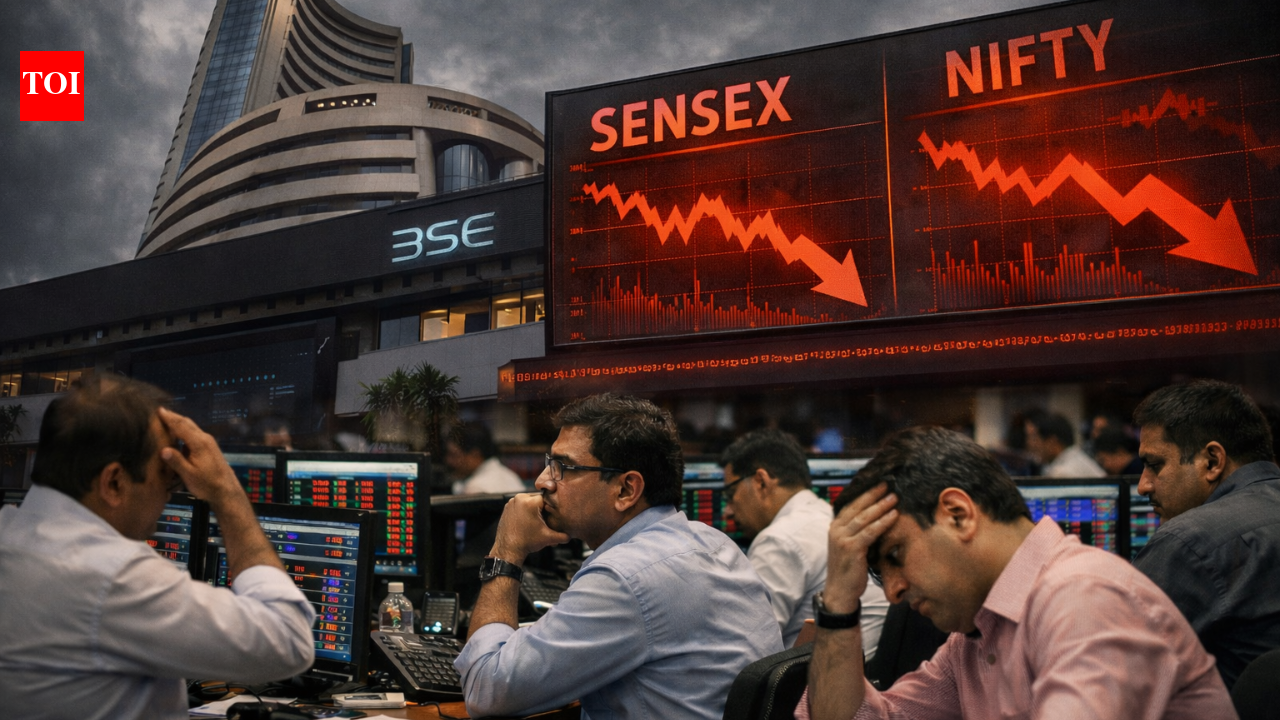
Market participants also pointed to the way global factors are cascading into domestic assets. When the global environment turns ‘risk-off’, emerging market equities often face heavier selling pressure. The report noted that geopolitical tensions and renewed tariff concerns were among the drivers weighing on sentiment, while elevated crude oil prices and higher global bond yields added to caution.
Foreign selling, rupee moves and earnings disappointment
FPIs were described as aggressive sellers during the month, amplifying the downside. In such phases, rupee weakness can become both a symptom and a catalyst: outflows pressure the currency, and currency concerns in turn deter marginal risk-taking. Meanwhile, earnings disappointments—especially from heavyweight sectors such as IT, banking and consumption-linked segments—can magnify index-level declines because a small set of large companies carries disproportionate weight.
Another factor is positioning ahead of major policy events. January is often a month when investors adjust portfolios before the Union Budget, and even small negative surprises can prompt profit-taking or de-risking. The report quoted an analyst noting that some historical patterns show sharp January falls followed by a recovery after Republic Day as attention shifts towards the Budget, though such seasonality is never guaranteed.
Focus shifts to Budget expectations and global cues
With domestic resilience, fiscal discipline and global uncertainty all in play, markets are now watching for clarity on growth support and macro stability. Budget expectations can influence sector rotation, especially in infrastructure-linked themes, consumption, banking and capital goods. At the same time, global developments—oil prices, U.S. yields and geopolitical headlines—remain key swing factors that can overwhelm local positives.
When global risk appetite narrows, domestic fundamentals still matter—but flows and macro cues often dominate price action in the short term.
For retail investors, the key question is whether January’s sell-off reflects temporary risk aversion or a more persistent earnings and macro challenge. For institutions, the near-term focus is likely to remain on flow trends, currency stability and whether policy signals can improve confidence into February.