Sensex and Nifty fall over 4% in January amid FPI outflows, weak rupee and global risks
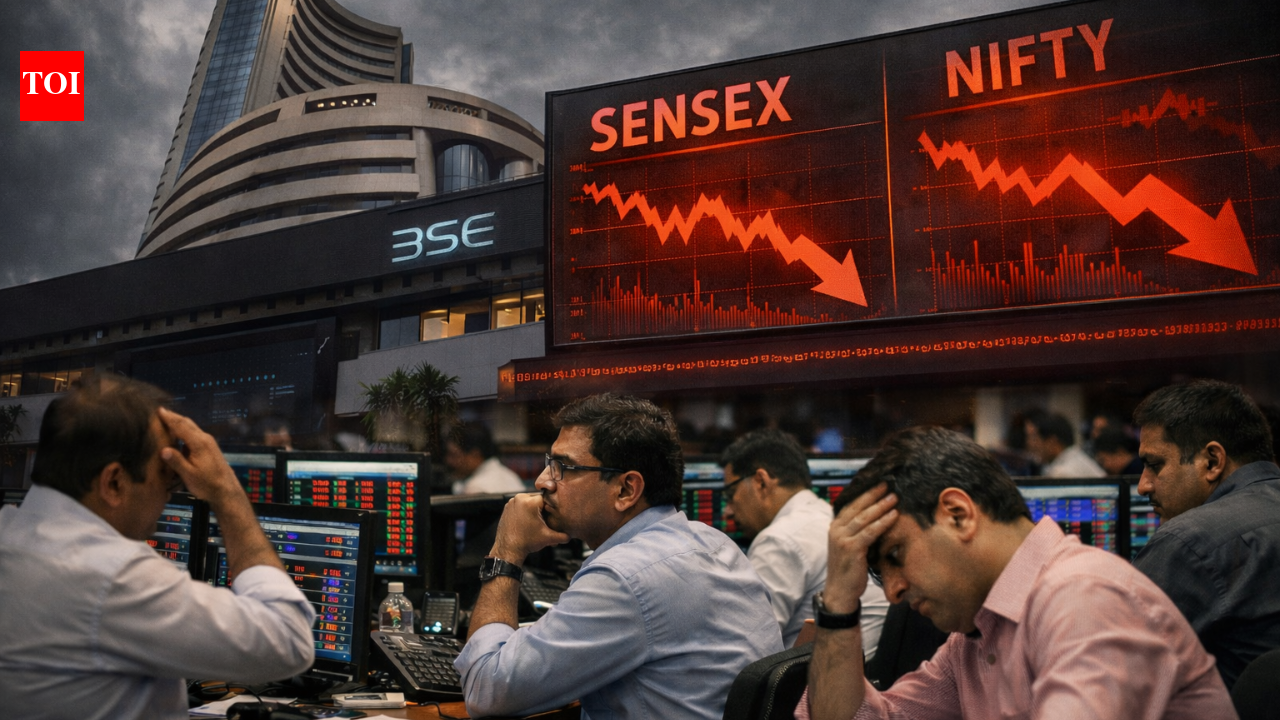
India’s benchmark indices have slipped more than 4% in January as foreign portfolio investors continued to sell, the rupee weakened to record lows and global uncertainty weighed on sentiment ahead of the Union Budget season.
- Reporting desk
- Health India Network News Desk
- First published
Markets under pressure through January 2026
Indian equities have remained under pressure through January 2026, with benchmark indices Sensex and Nifty down more than 4% for the month. The decline has been attributed to sustained foreign portfolio investor (FPI) selling, a weakening rupee, muted corporate earnings in key sectors and elevated global risks that have encouraged a broader “risk-off” mood.
Market participants have also tracked the rupee’s slide, with reports noting it touched a historic low of 92 against the US dollar on 23 January 2026. Currency weakness can add to equity volatility by increasing imported inflation concerns, affecting risk appetite and changing the earnings outlook for companies with large foreign currency exposure.
Global headwinds, tariffs and oil add to uncertainty
Beyond domestic factors, investors have been watching global geopolitical tensions, tariff-related worries and changes in global bond yields. Higher crude oil prices and rising yields tend to tighten financial conditions and can lead investors to shift money away from emerging markets, especially during periods of uncertain growth forecasts.
Analysts have also highlighted that January has historically been a mixed month for equities, and that pre-Budget market behaviour can include sharp moves in both directions as investors position for fiscal signals. This year, however, foreign outflows and global uncertainty have dominated early.
What investors will watch next
As India moves deeper into the Budget cycle, markets are likely to assess whether upcoming policy signals can support growth while maintaining fiscal stability. Investors will also watch for stabilisation in the rupee, clarity on global trade and tariff developments, and whether earnings trends improve across IT, banking and consumption-linked segments.
In the near term, the interplay between foreign flows, currency movement and global risk sentiment is expected to remain a key driver of day-to-day market direction.