Markets slide in January: Sensex and Nifty down over 4% amid FPI selling, rupee weakness and global risks
India’s benchmark indices Sensex and Nifty fell more than 4% in January 2026, weighed down by foreign portfolio outflows, a weaker rupee, subdued earnings and heightened global uncertainty, with investors watching for cues ahead of Budget season.
- Reporting desk
- Health India Network News Desk
- First published
A difficult January for Indian equities
Indian equities had a rough start to 2026, with the Sensex and Nifty sliding more than 4% during January amid a mix of domestic and global pressures. Market commentary attributed the fall to sustained foreign portfolio investor (FPI) selling, a weakening rupee, and muted corporate earnings, alongside geopolitical tensions and renewed tariff-related concerns that pushed investors into a risk-off stance.
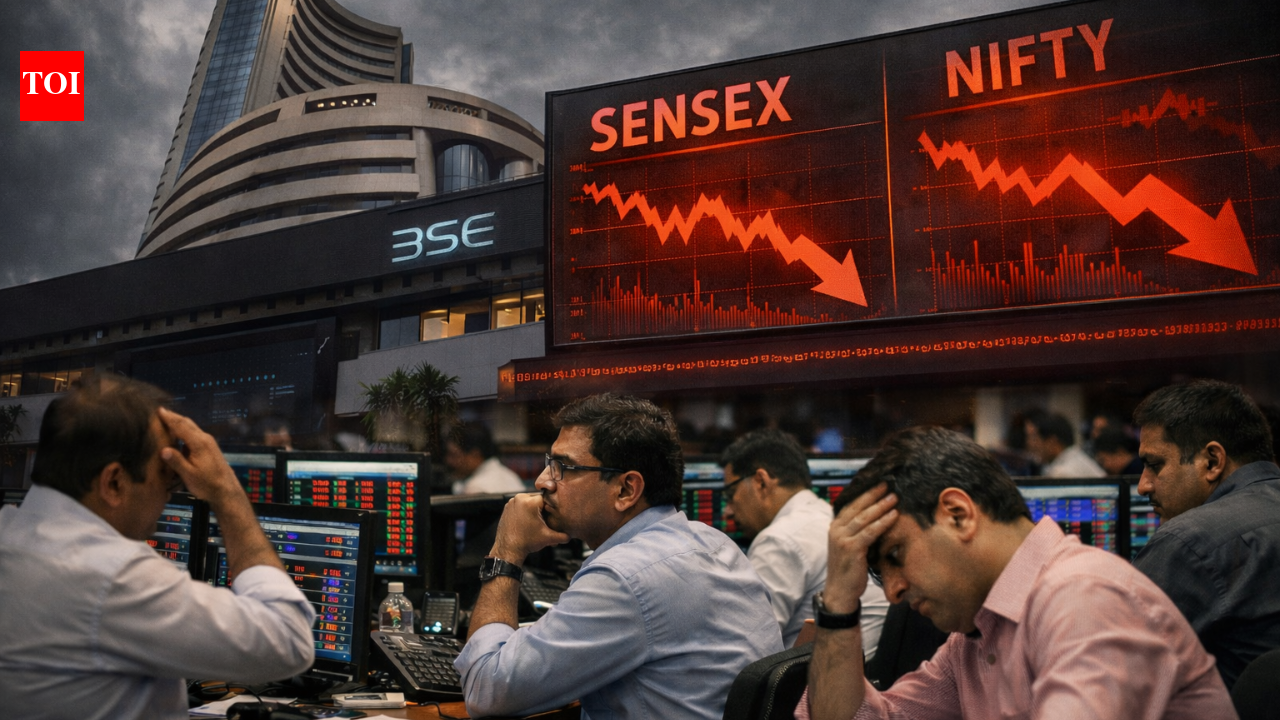
The decline also revived a familiar seasonal debate in Dalal Street: whether late-January weakness reverses as the market looks past Republic Day and repositions ahead of the Union Budget cycle. Analysts cited patterns of pre-Budget volatility, but stressed that 2026’s sell-off is arriving amid an unsettled global backdrop, making any rebound more dependent on external cues as well as domestic policy signals.
Rupee pressure and global uncertainty add to the strain
A softer rupee added to investor caution, with the currency touching record lows during the month, increasing the cost of imports and intensifying inflation sensitivity for certain sectors. Elevated crude prices and rising global bond yields were also cited as factors fuelling risk aversion. Together, these pressures created a challenging environment for equities, especially when earnings from heavyweight sectors failed to meet expectations.
For domestic investors, the key question is whether the sell-off is primarily a valuation reset driven by foreign flows, or a deeper warning about growth and earnings momentum. With foreign selling amplifying market swings, volatility has remained high, particularly for rate-sensitive and globally linked sectors such as IT and banking.
What investors are watching next
Market participants are looking for three near-term stabilisers: improved risk sentiment globally, evidence of rupee stability, and clearer expectations on fiscal policy. Research notes ahead of the Union Budget have emphasised the need to balance growth support with macro stability and medium-term fiscal discipline. For traders, any shift in FPI behaviour, oil prices or global rates could quickly change sentiment; for long-term investors, the January correction is being assessed for opportunities in quality companies if fundamentals remain intact.
- Indices: Sensex and Nifty down over 4% in January 2026.
- Key drags: FPI selling, weaker rupee, muted earnings, global risks.
- Next catalysts: global risk sentiment, currency stability, Budget expectations.